Cut To Length Line
1/Latest Precision Cut To Length Line Project
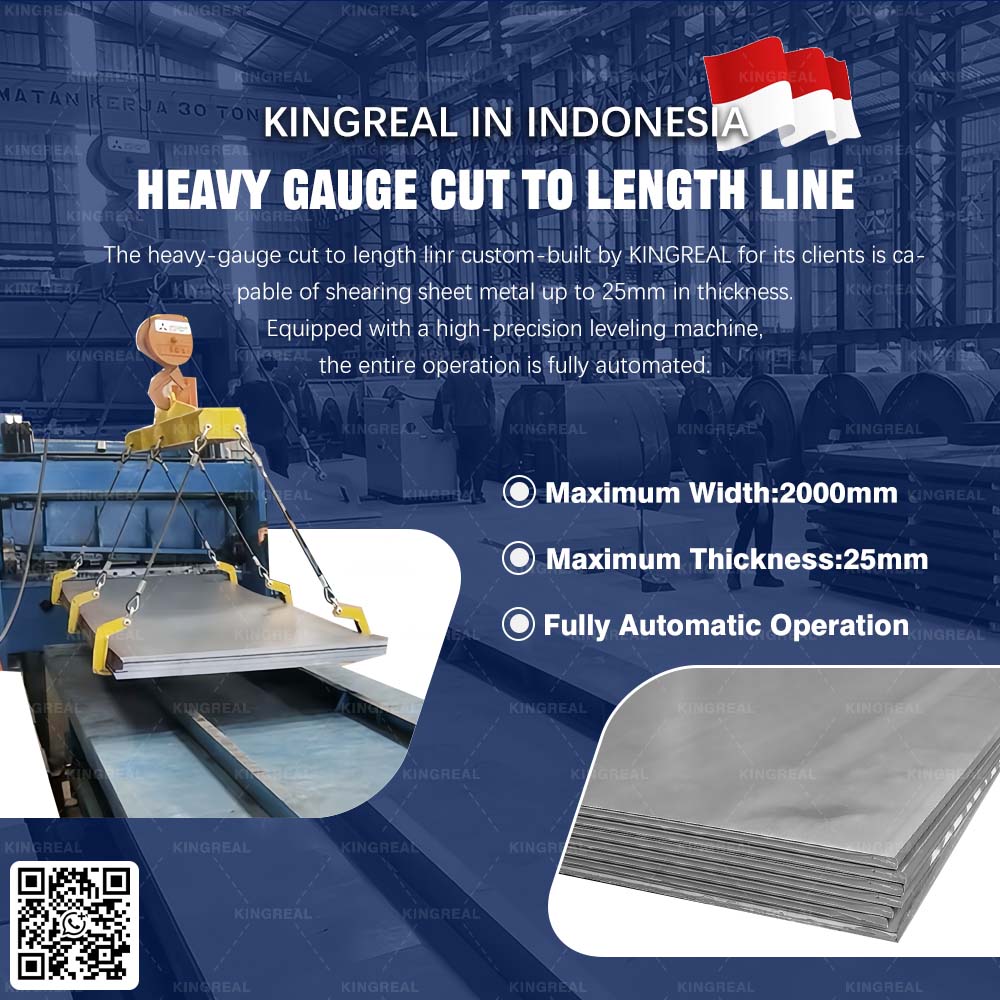
KINGREAL SLITTING has established a deep partnership with an Indonesian client to implement a brand-new, customized precision cut to length line. This machine effectively resolves the client's core challenges regarding the processing of thick metal sheets.
Throughout the project, KINGREAL SLITTING professional team provided dedicated, end-to-end support—covering pre-sales, in-process, and after-sales stages. While the precision cut to length line was in transit, the KINGREAL SLITTING team visited the client's factory to conduct an on-site assessment. By analyzing the factory's layout, production workflow, and spatial constraints, they coordinated the installation location, utility routing, and commissioning plan in advance, thereby preventing potential integration issues during installation.
Upon the successful arrival of the precision cut to length line in Indonesia, KINGREAL SLITTING immediately dispatched professional engineers to the site. They managed the entire process—from unloading and positioning to installation and commissioning—while also conducting systematic training for local operators on equipment usage, routine maintenance, and troubleshooting.
Currently, the new precision cut to length line is operating reliably and consistently at the client's factory. The precision cut to length line runs smoothly with a low failure rate, delivering a sustainable, high-efficiency output of precision-cut, high-quality metal sheets. This has significantly boosted the client's processing efficiency and product quality standards.
2/What is a Precision Cut To Length Line?
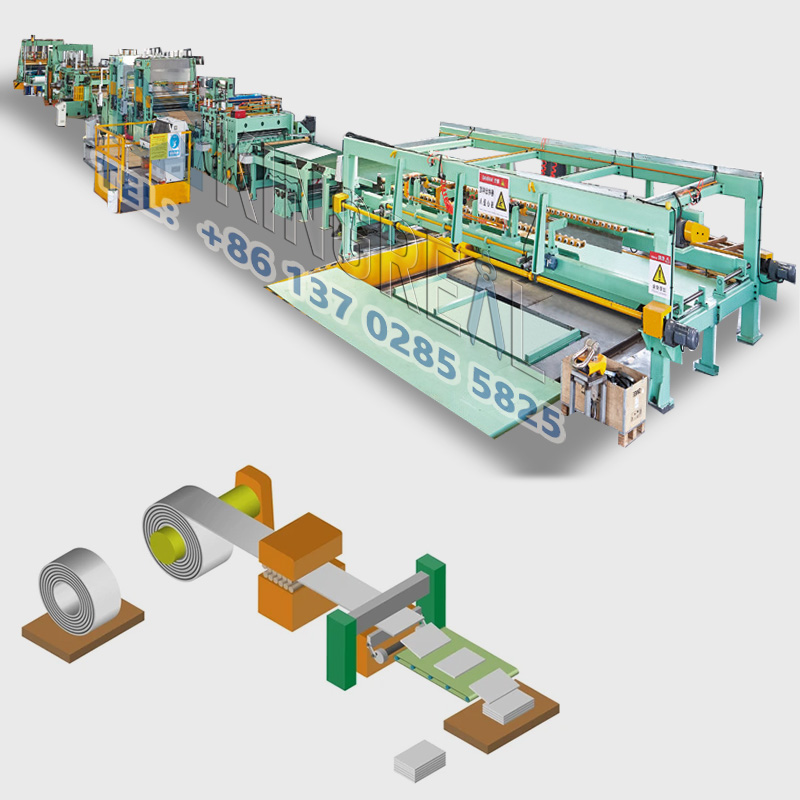
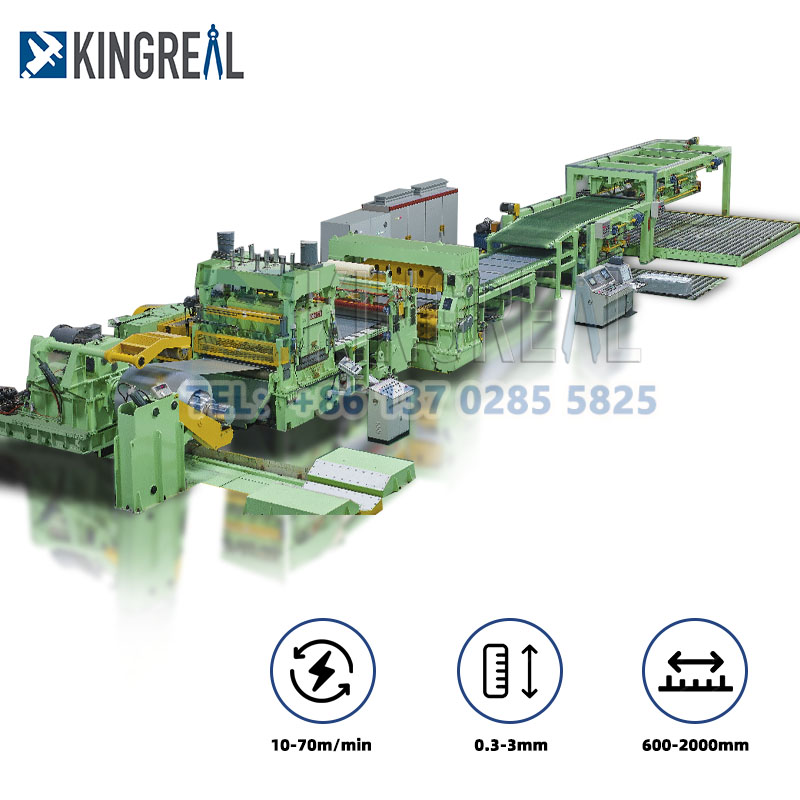
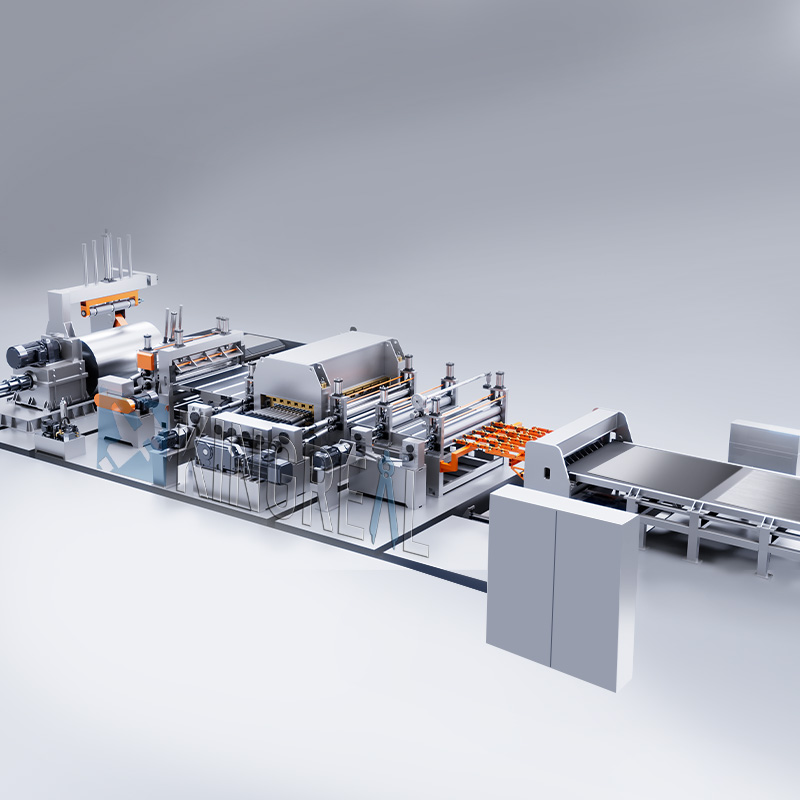
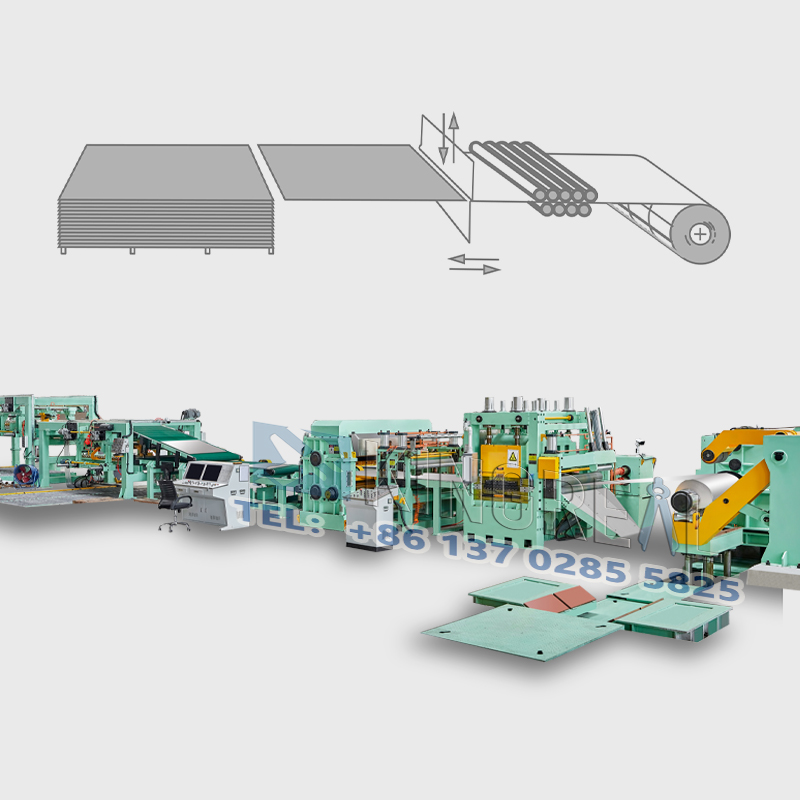
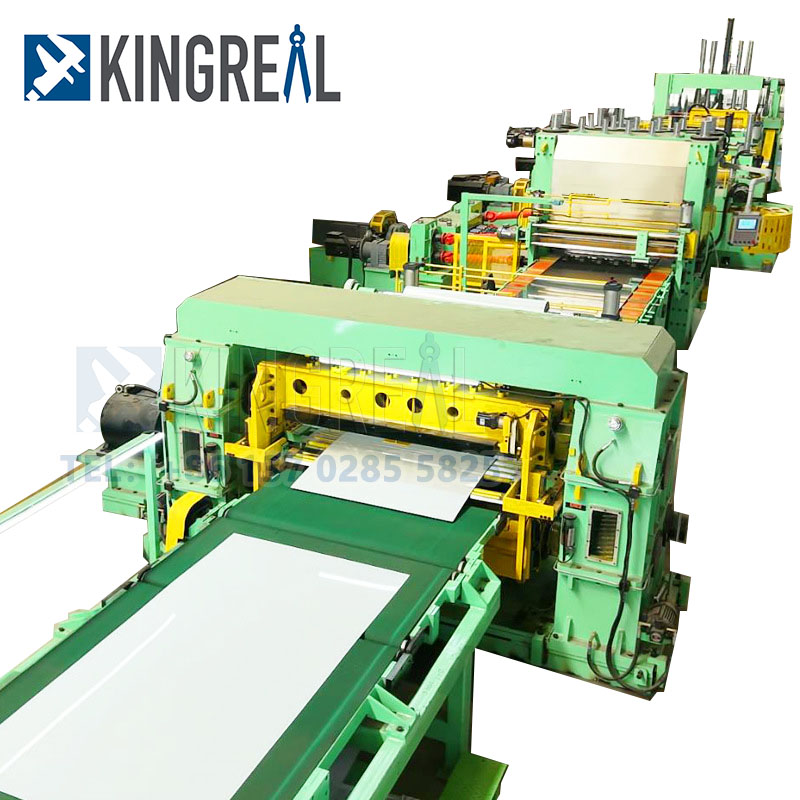
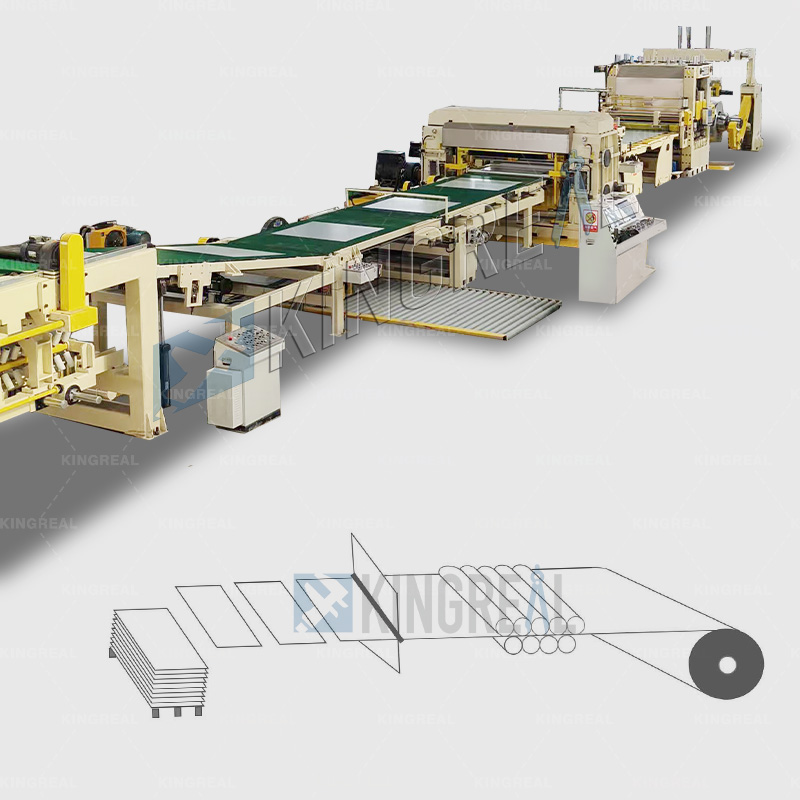
A precision cut to length line is a specialized, core piece of equipment in the metal processing industry. Its primary function is to automate the processing of large metal coils—handling uncoiling, leveling, and precision cutting—to produce finished sheets characterized by excellent flatness, uniform dimensions, and high quality.
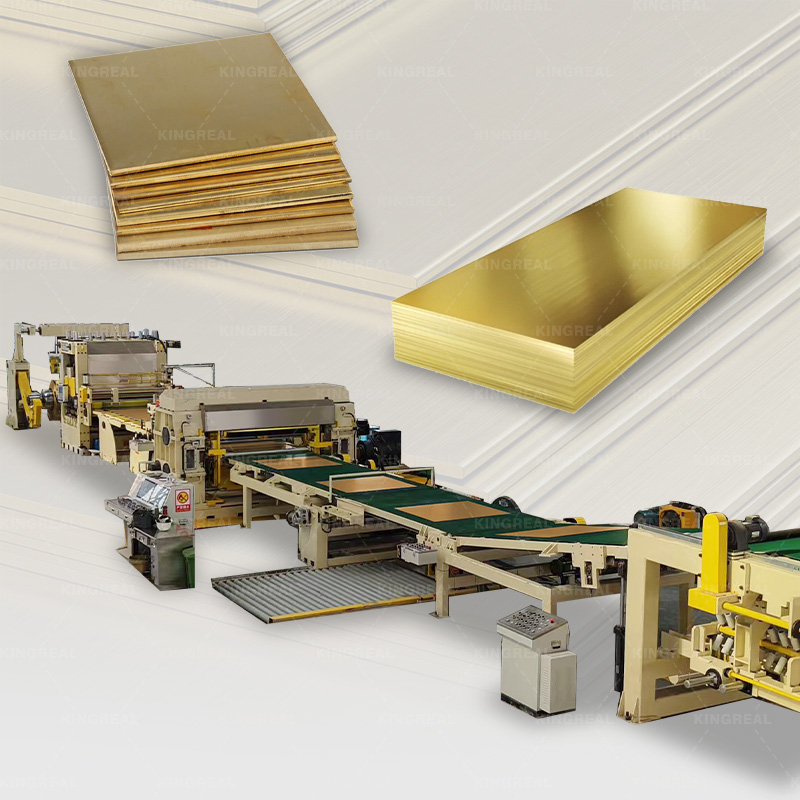
High-performance precision cut to length lines offer exceptional versatility, capable of processing a wide range of common industrial metals. They produce ready-to-use metal blanks for subsequent manufacturing stages, thereby greatly streamlining the metal processing workflow.
Due to these significant advantages, precision cut to length lines developed and manufactured by KINGREAL SLITTING are widely used across key industrial sectors—including automotive manufacturing, home appliance production, construction and infrastructure, enclosure manufacturing, heavy machinery, and shipbuilding. They serve as indispensable coil processing equipment for a variety of metal processing enterprises.
3/What is the Precision Cut To Length Line Process?
The fully automatic precision cut to length line features a mature, continuous automation process that requires minimal manual intervention.
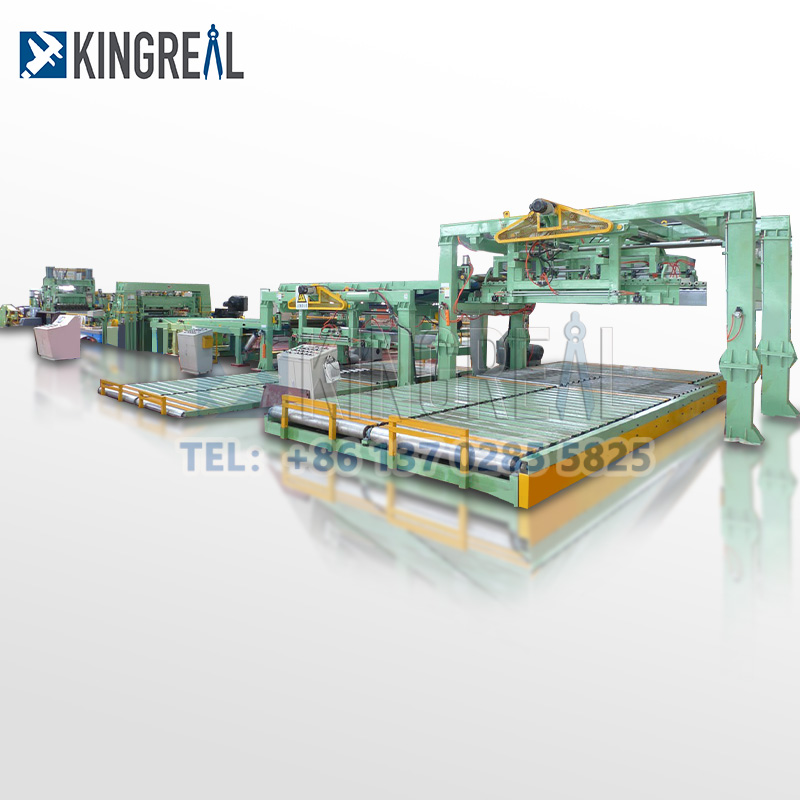
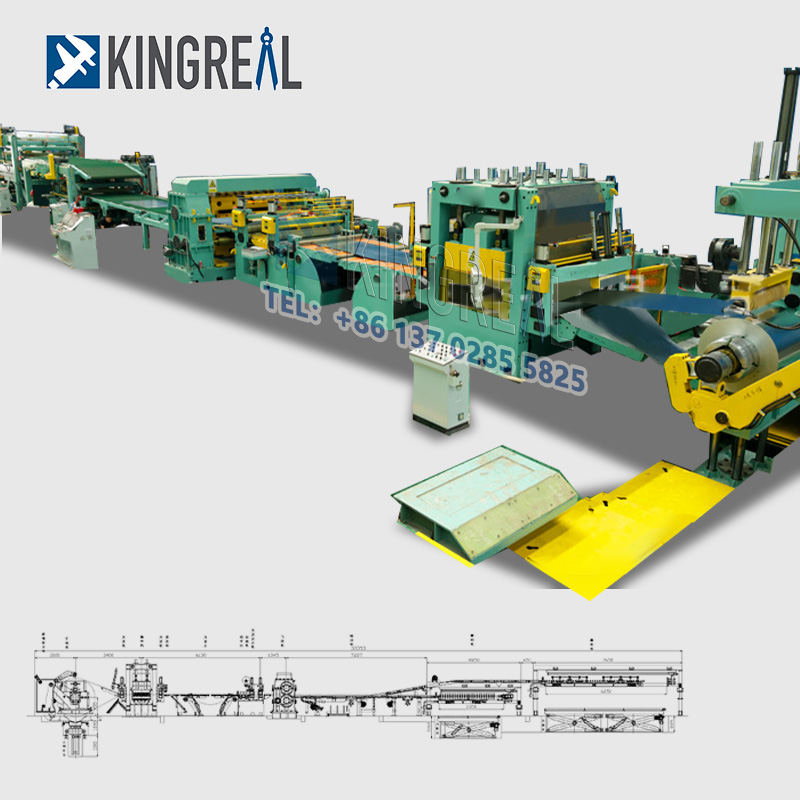
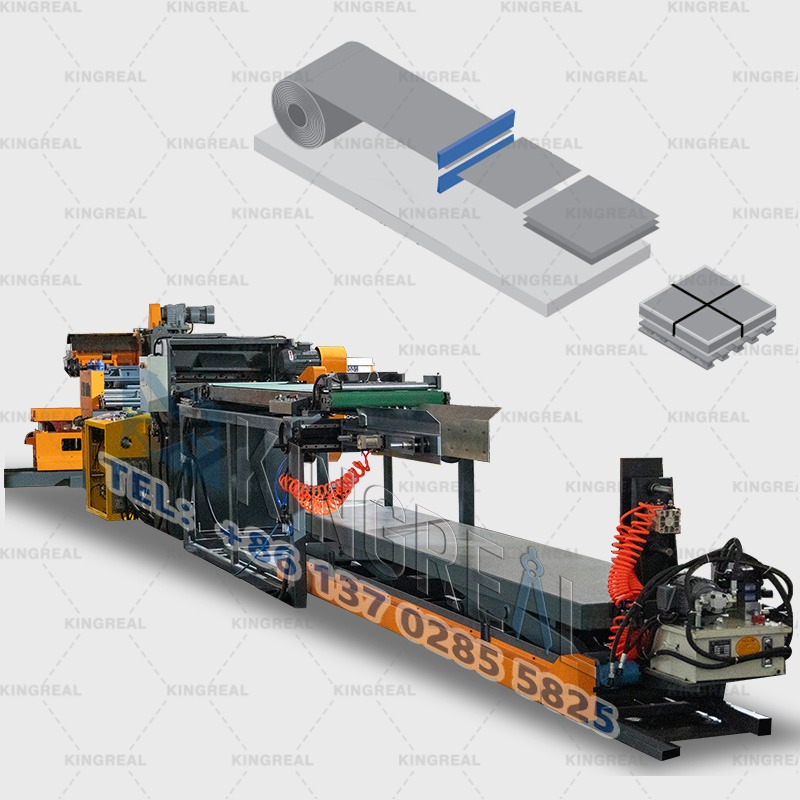
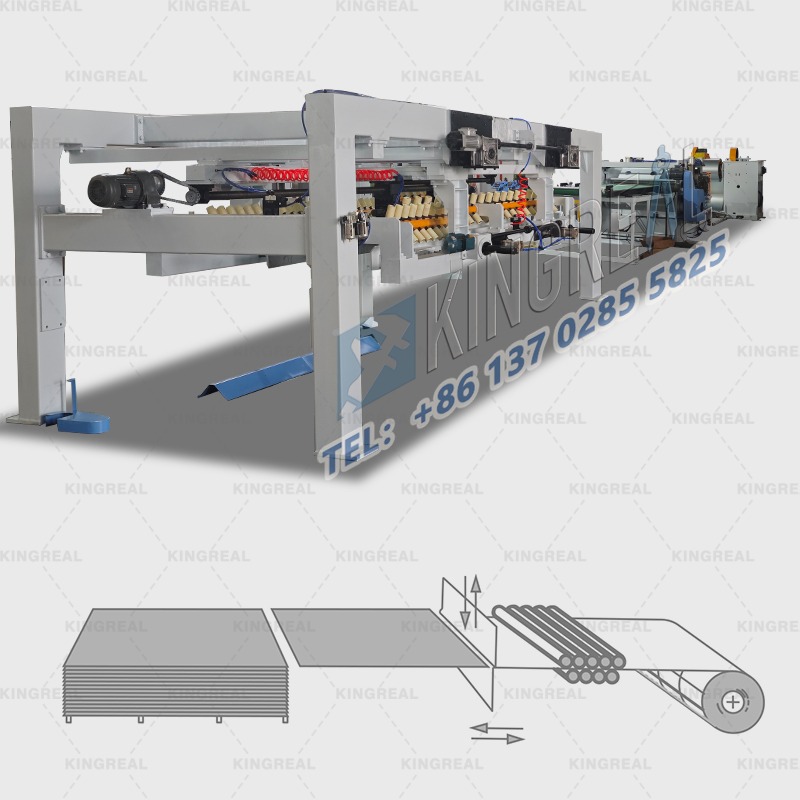
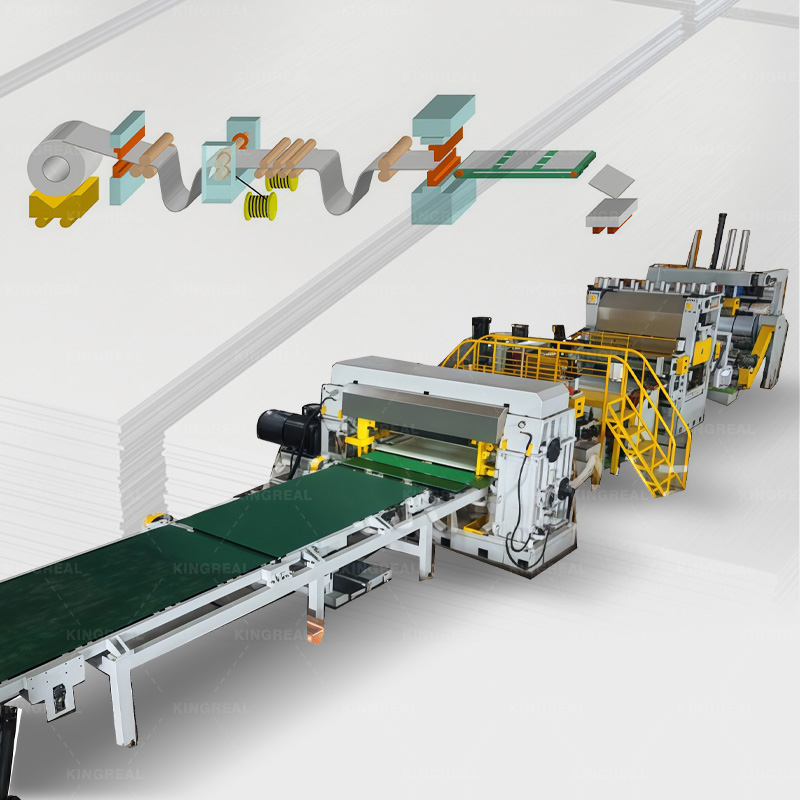
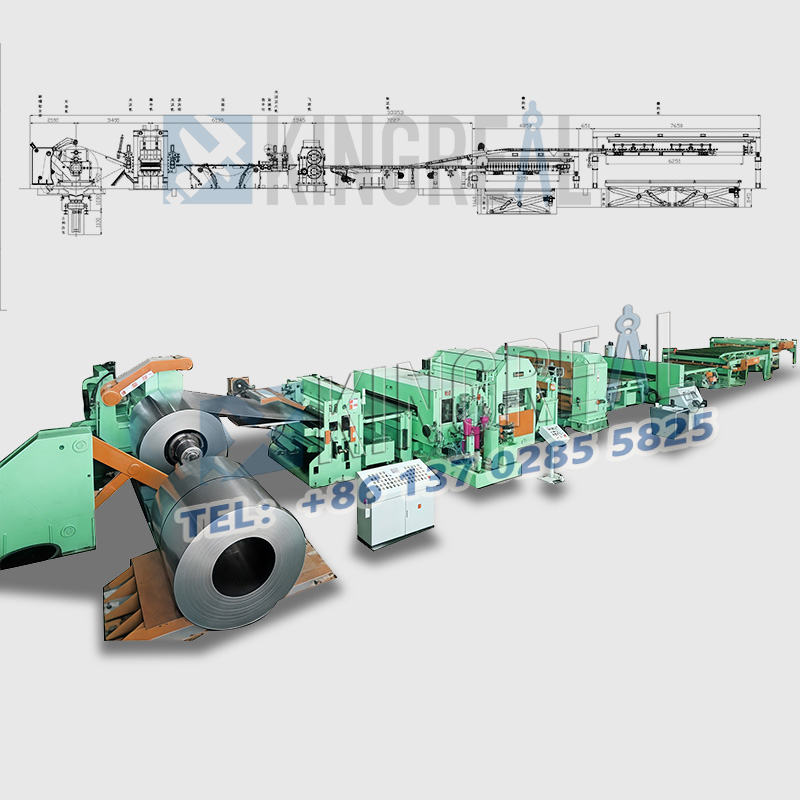
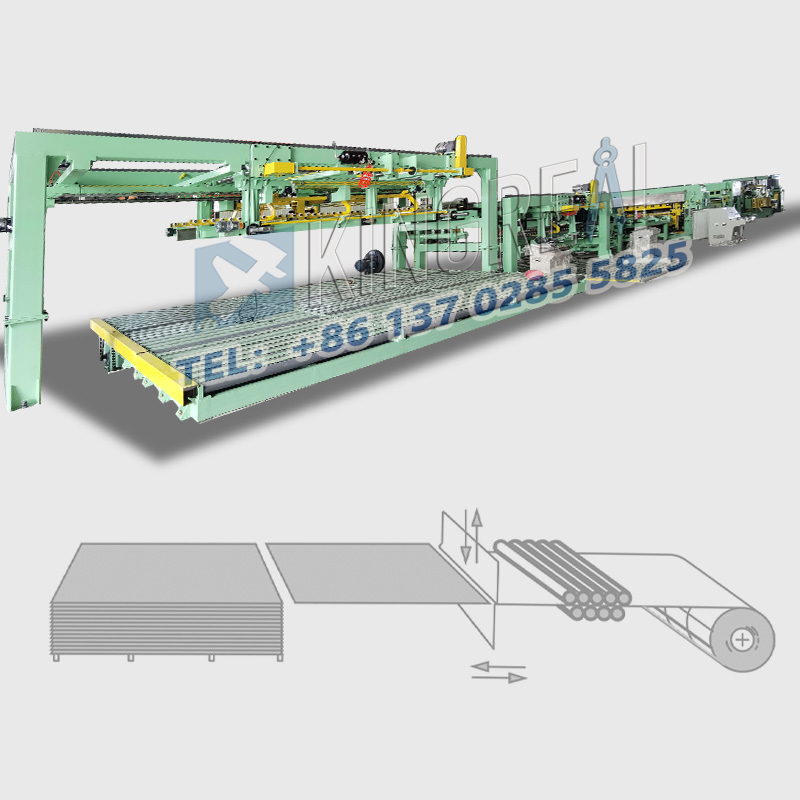
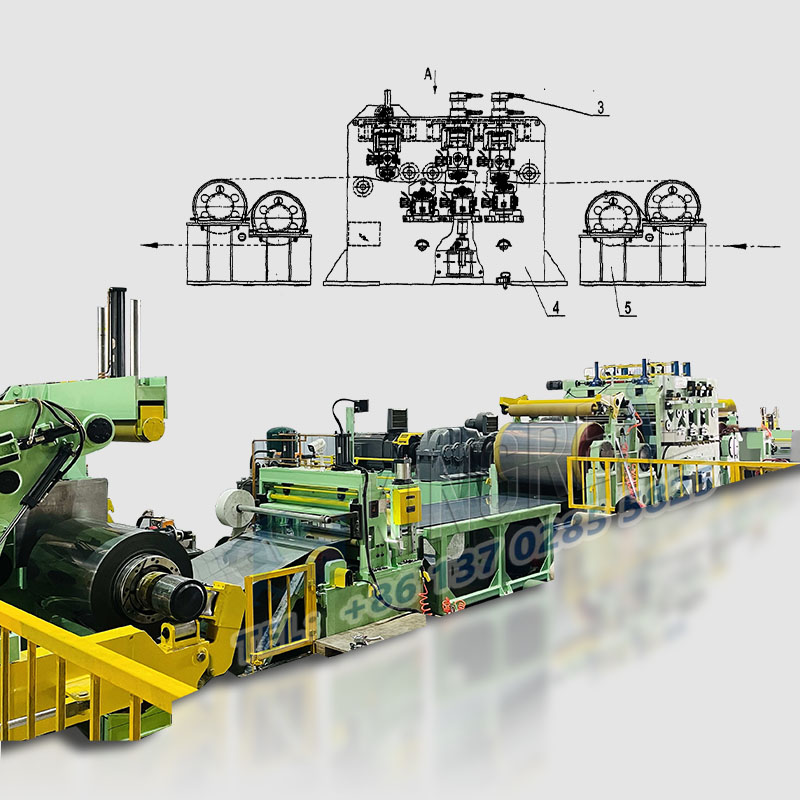
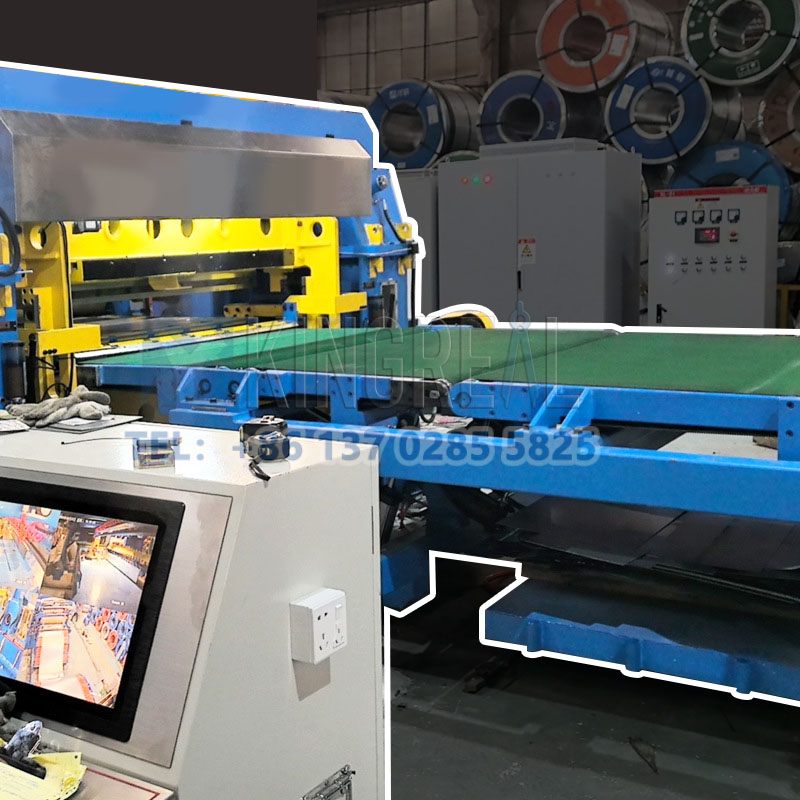
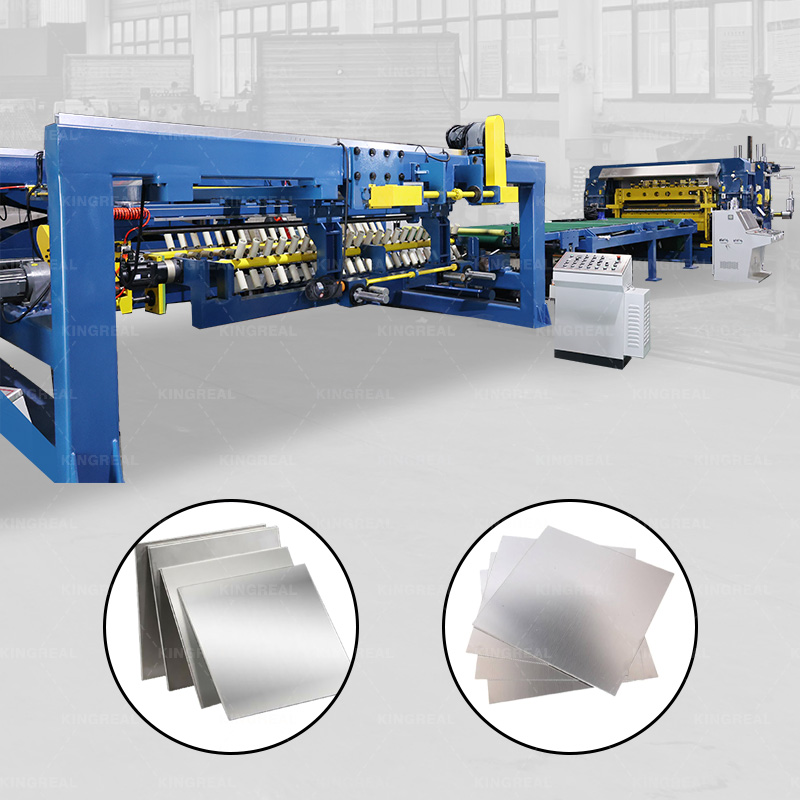
At the start of production, operators load heavy metal coils onto the decoiler, which releases the raw material steadily and smoothly. The material is then automatically conveyed to a leveler, where multiple sets of precision rollers perform multi-stage leveling; this thoroughly eliminates the inherent curvature, creases, and internal stresses of the coil, ensuring the sheet's fundamental flatness. The leveled sheet is precisely transported to the cut-to-length machine, where the equipment uses preset programs for accurate positioning and length control, cutting the sheet to the customer's exact specifications. Once shearing is complete, an integrated stacker neatly stacks the sheets, preparing them for subsequent processing, storage, and transport.
To meet high-end precision processing needs, the precision cut to length line can be upgraded with a dual-leveler configuration for a two-stage leveling process, maximizing sheet flatness. It can also be equipped with dual stackers to significantly boost overall throughput, or a laminating device to prevent scratches and ensure the aesthetic quality of the finished product.
4/Diverse Precision Cut To Length Line Solution
KINGREAL SLITTING tailors precision cut to length line solutions to specific customer requirements—considering industry applications, materials, and production capacity—to ensure a precise match between equipment and operational needs.
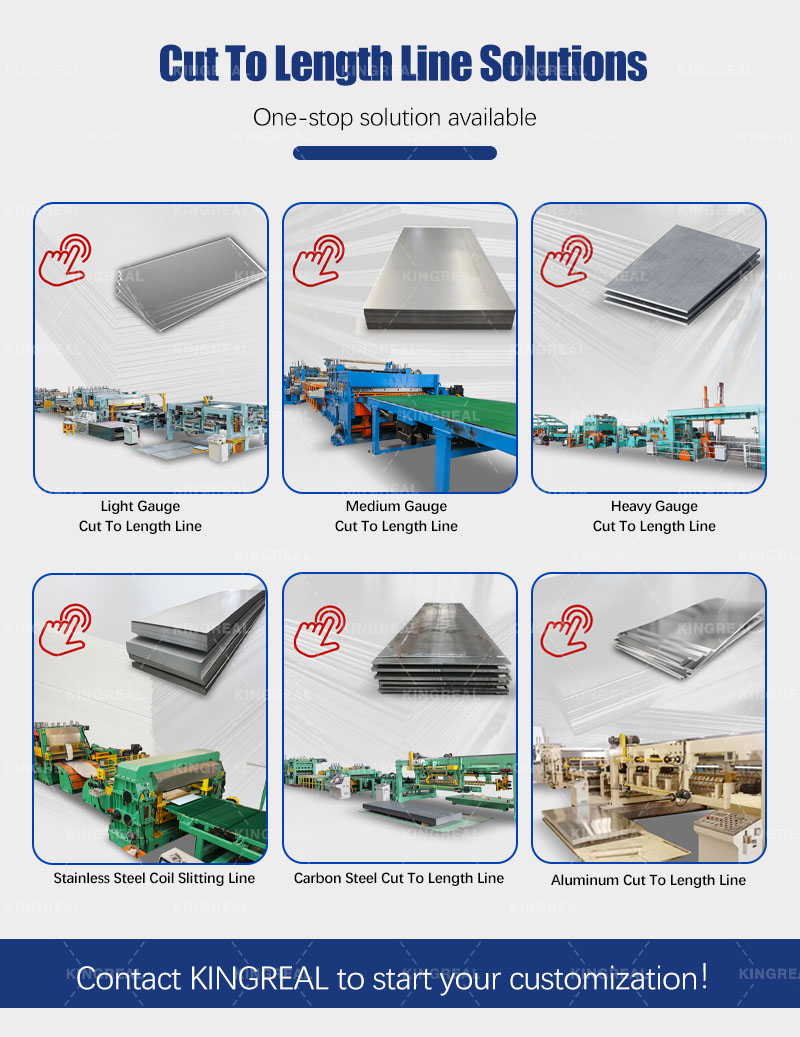
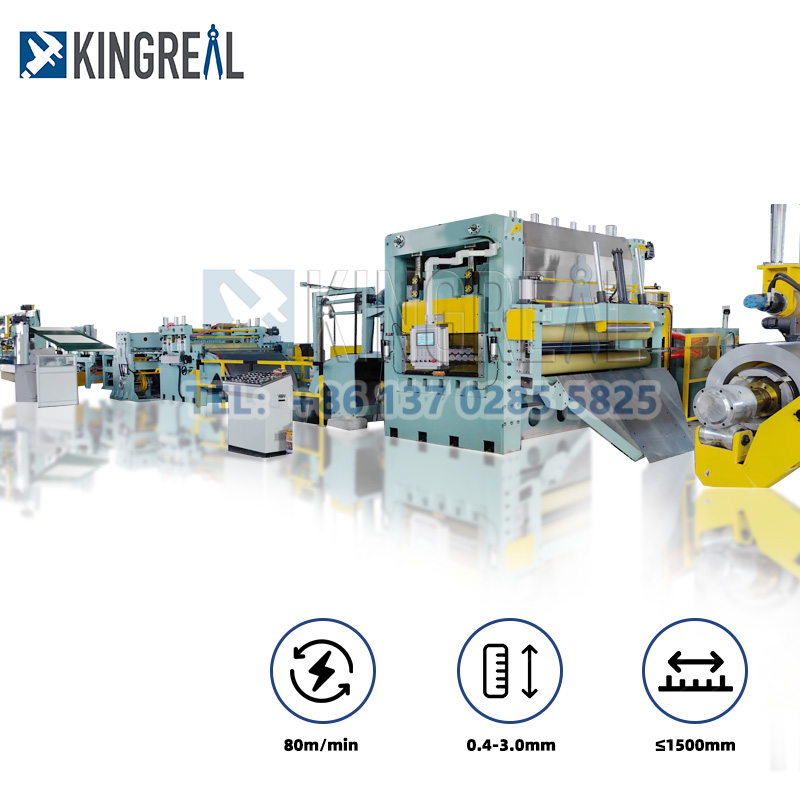
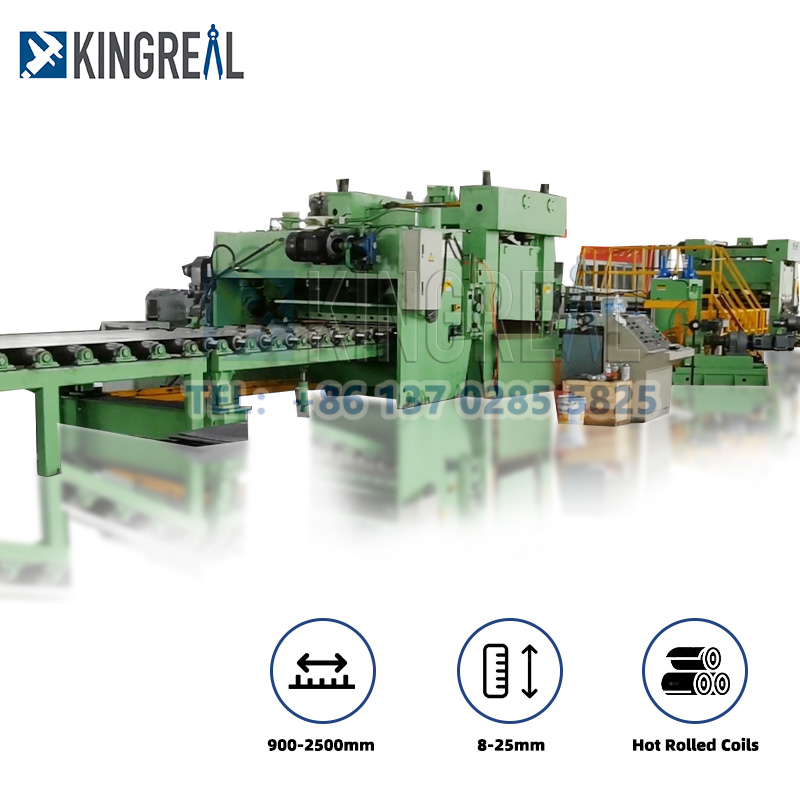
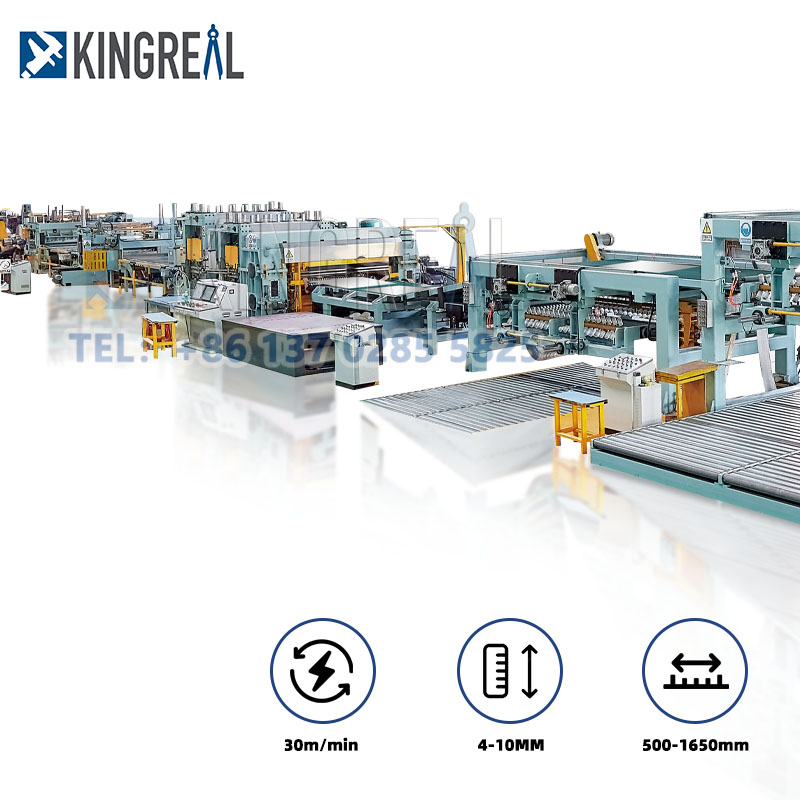
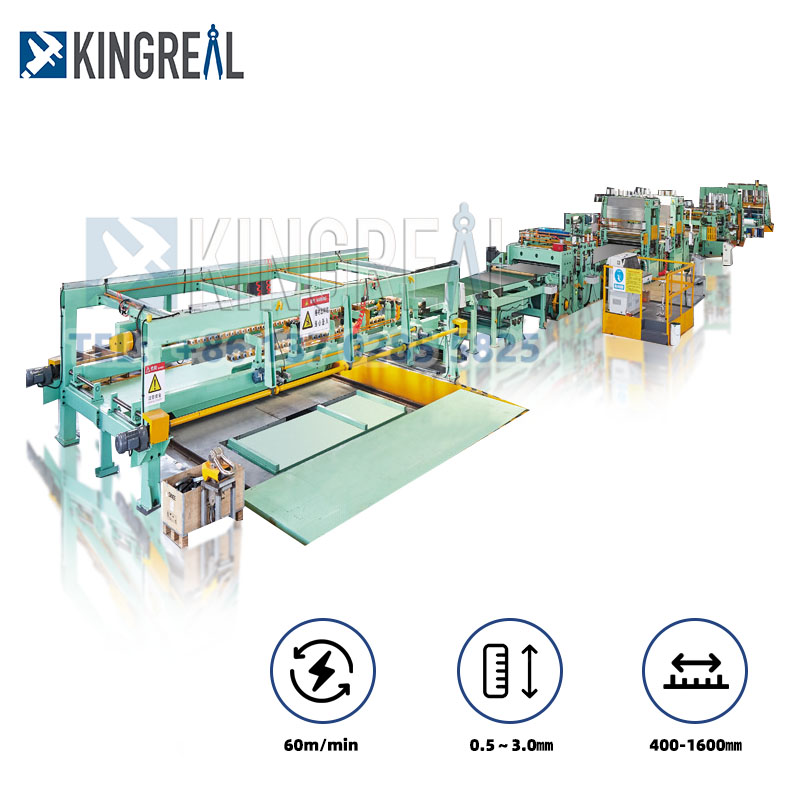
Regarding processing thickness, KINGREAL SLITTING offers customized precision cut to length lines for thin, medium-thick, and heavy-gauge sheets, fully co
vering the shearing needs for various steel and metal coils.
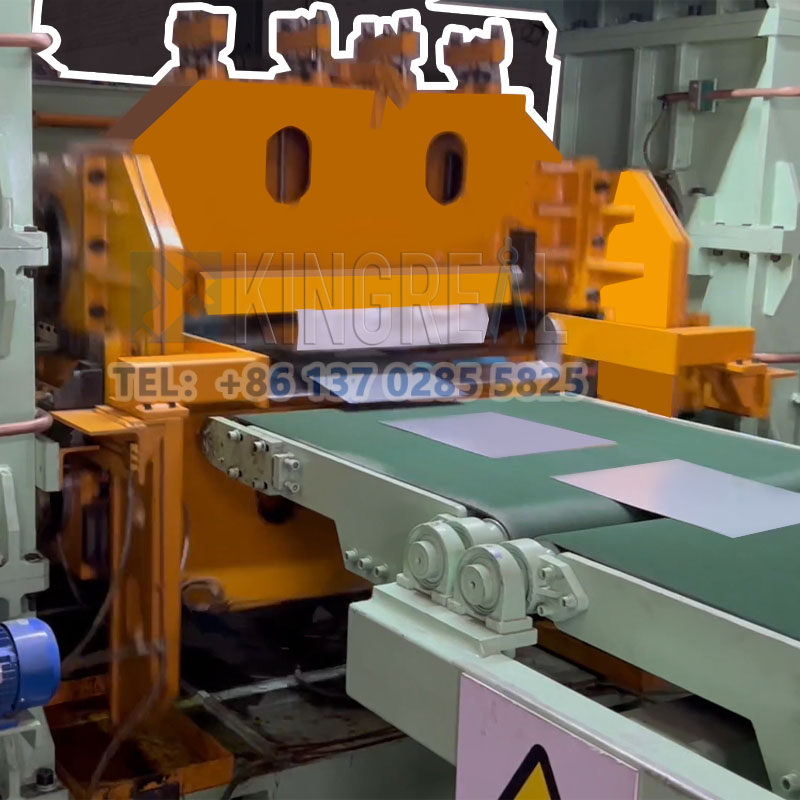
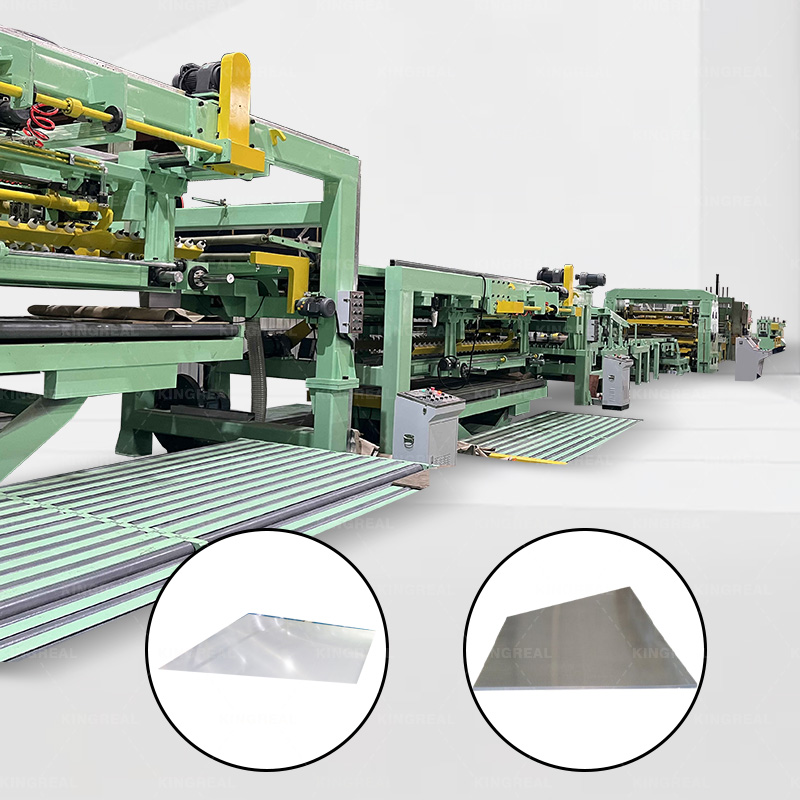
In terms of shearing technology, the precision cut to length line can be configured with various cutting mechanisms—such as flying shears, rotary shears, fixed shears, or swing shears—to suit specific processing patterns and guarantee precision. Notably, precision cut to length lines equipped with swing shears can flexibly produce irregular metal blanks, meeting the demands for diverse, non-standard sheet shapes.
At the same time, KINGREAL SLITTING can upgrade and optimize the core drive, control, and shearing systems of the precision cut to length line based on specific customer requirements for production capacity and precision.
By comprehensively enhancing the precision cut to length line's performance, KINGREAL SLITTING delivers customized solutions characterized by high precision, high productivity, and superior stability.