In the modern metal processing industry, steel service centers face significant challenges regarding smaller order batches and frequent specification changes.
Against this backdrop, the design choice of the slitter head—the core component of a steel coil slitting line—directly determines the facility's overall capacity utilization.
This article compares single slitter head and double slitter heads slitting lines and analyzes why the double-head configuration has become the standard for high-capacity facilities.
What are Single Slitter and Dual Slitter Slitting Lines?
Single Slitter Slitting Line
The single slitter slitting line represents the most traditional configuration. As the name implies, the line is equipped with only one slitter head. Whenever specifications need to be changed, the entire production line must be halted.
Operators must remove old blades and install new ones and spacers directly on the production line.
This setup is structurally simple and involves lower initial investment costs, making it suitable for basic processing plants that handle relatively uniform orders and require infrequent changeovers.
Dual Slitter Slitting Line
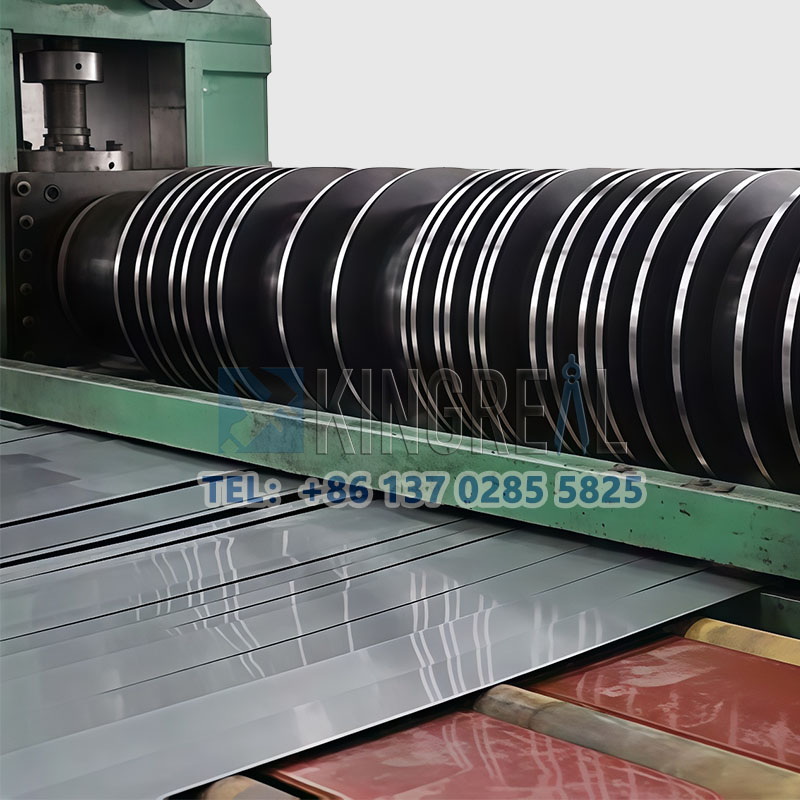
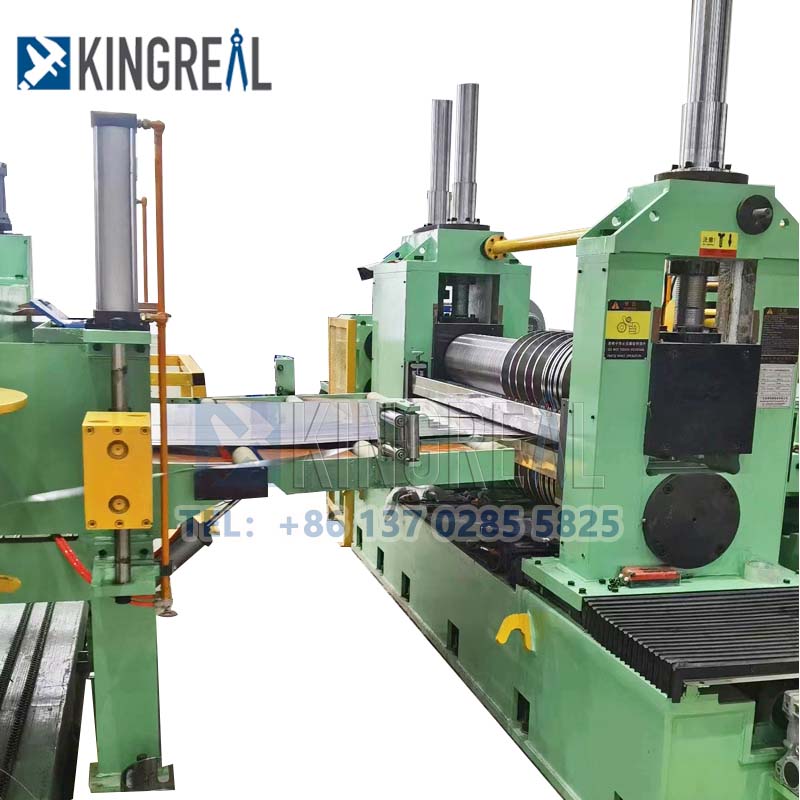
A dual slitter slitting line is typically equipped with two completely independent slitter heads.
While one head is actively processing material on the line, operators can use that time to prepare the other head for the next batch of orders.
Key Differences Between Single Slitter and Double Slitter Configurations
The most significant difference between single slitter head and double slitter heads slitting lines lies in the duration of downtime.
●A 30-Minute Comparison: On-Line vs. Off-Line Tooling Changes
Without a double slitter head configuration, every specification change involves the following process:
-The production line comes to a complete stop.
-Operators enter the equipment area to perform on-line disassembly and assembly.
-Blade clearances are adjusted and calibrated.
-Even for a skilled team, changing a complex slitting setup on the line takes at least 30 minutes to an hour.
In contrast, the dual slitter slitting line effectively eliminates this bottleneck. Since the next set of slitter knives is pre-arranged on an off-line stand, the system can switch slitter heads in just 2 to 5 minutes using a rotation or shuttle mechanism once the current order is complete. This means the dual-head configuration saves at least 30 minutes of net production time per order change.
●How Off-line Slitter Head Changing Works?
The efficient operation of a double slitter heads slitting line relies on its precision head-changing mechanism. Current mainstream designs include:
-Shuttle Type: Two slitter heads move along transverse guide rails.
-Turret Type: One of the most advanced designs. Two or more slitter heads are mounted on a central rotating shaft. When a switch is required, the head assembly rotates 180 degrees, instantly positioning the new slitter head.
Advantages of Using a Double Slitter Heads Slitting Line
1. Synchronized Operations
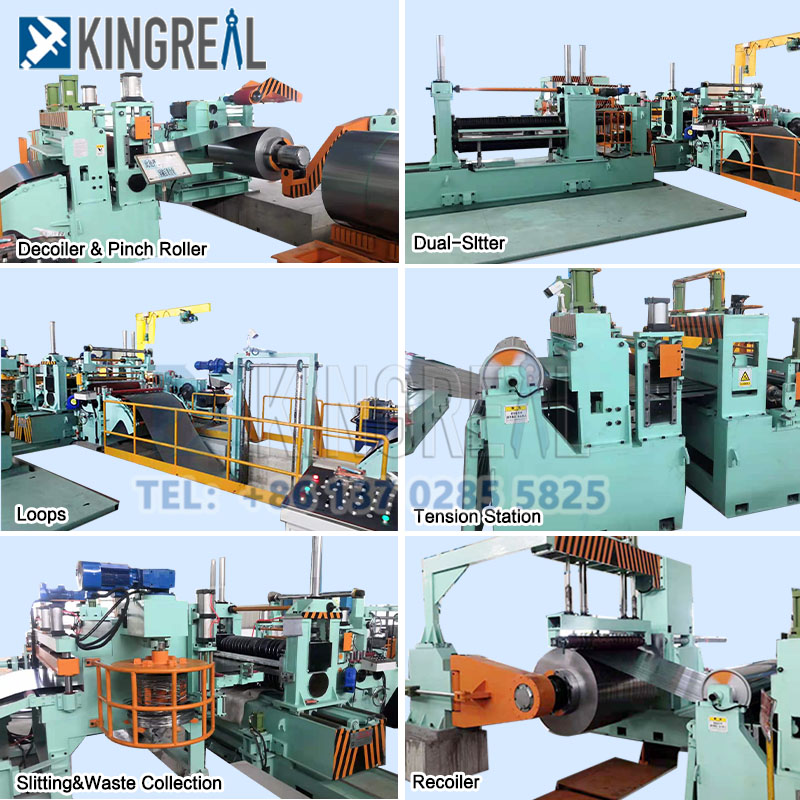
This is the signature feature of the dual slitter slitting line: one slitter head is in production while the other undergoes simultaneous re-tooling.
This parallel workflow increases the production line's effective utilization rate by 30%–50%.
For service centers requiring more than five specification changes per day, this translates to an additional 2.5 hours of material processing daily.
2. Higher Processing Precision and Extended Tool Life
Because the knives are arranged off-line on a preparation stand with superior lighting and working conditions, operators can measure clearances and overlaps with greater care and precision.
This not only improves cut-edge quality and reduces burrs but also extends the lifespan of expensive alloy blades through precise alignment.
3. Support for High-Frequency, Small-Batch Orders
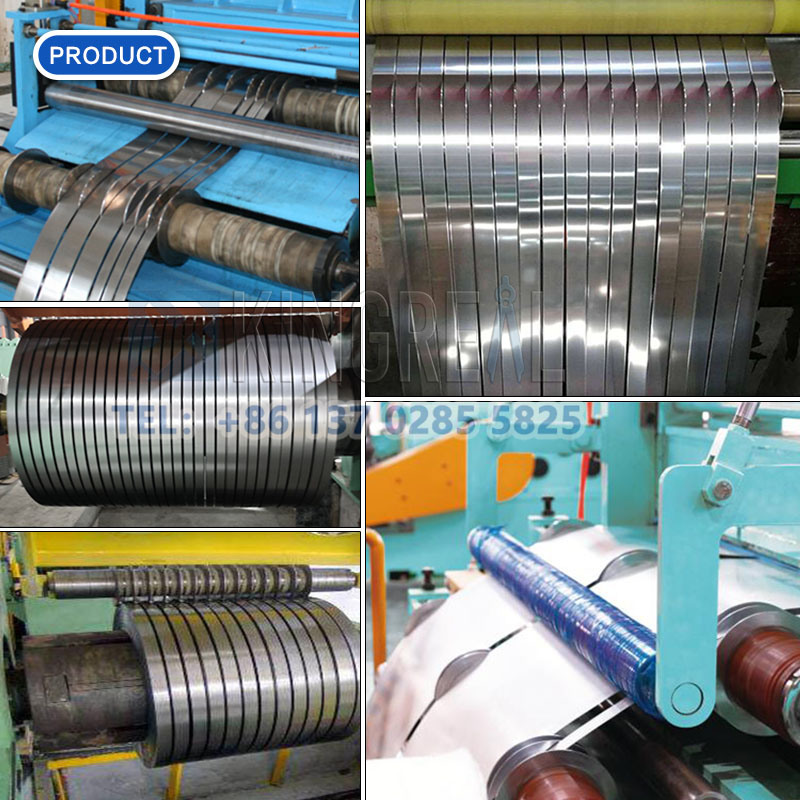
The double slitter heads slitting line allows facilities to switch tasks frequently without stopping the line, significantly enhancing market responsiveness.
It enables steel suppliers to meet demands for the rapid delivery of small orders with diverse specifications.
How to Calculate ROI for Dual Slitter Configuration?
When deciding whether to purchase a dual slitter slitting line, many customers are concerned about the initial additional cost. We can calculate this using a simple mathematical model:
1
Calculating Downtime Losses
Assume your steel coil slitting line has an hourly output value of $500.
2
Time Savings
A single slitter head requires 30 minutes of downtime per tool change, whereas a double-head slitter requires only 5 minutes—saving 25 minutes (0.42 hours) per changeover.
3
Daily Revenue Gain
With six changeovers per day, 2.5 hours of production time are saved, translating to an average daily revenue increase of $1,250.
4
Monthly Revenue Gain
Based on a 22-day work month, this results in an additional $27,500 in monthly revenue.
Based on these estimates, the additional investment required for a double slitter heads slitting line can typically be fully recouped within 6 to 10 months of operation through increased production capacity.
Which Steel Coil Slitting Line Should You Choose?
The choice between a single slitter head and a dual slitter slitting line depends on your production strategy:
If you operate a startup processing plant handling primarily high-volume, long-term orders with uniform specifications, a single slitter head slitting line is a cost-effective and reliable choice.
If you operate a professional steel service center handling complex orders, diverse specifications, and strict delivery deadlines, investing in a double slitter heads slitting line is the smartest move to enhance your competitiveness.
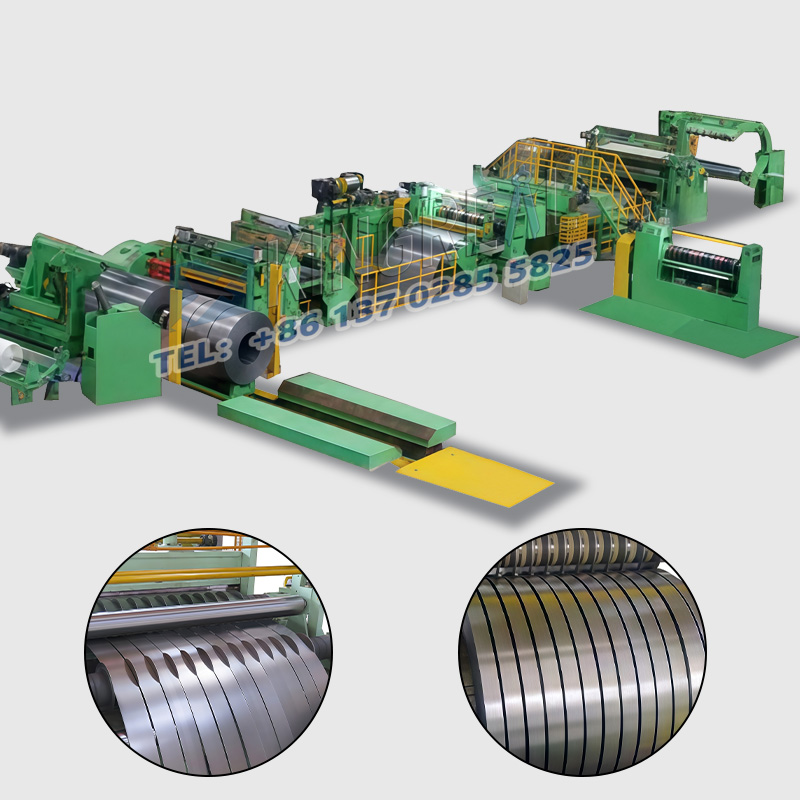
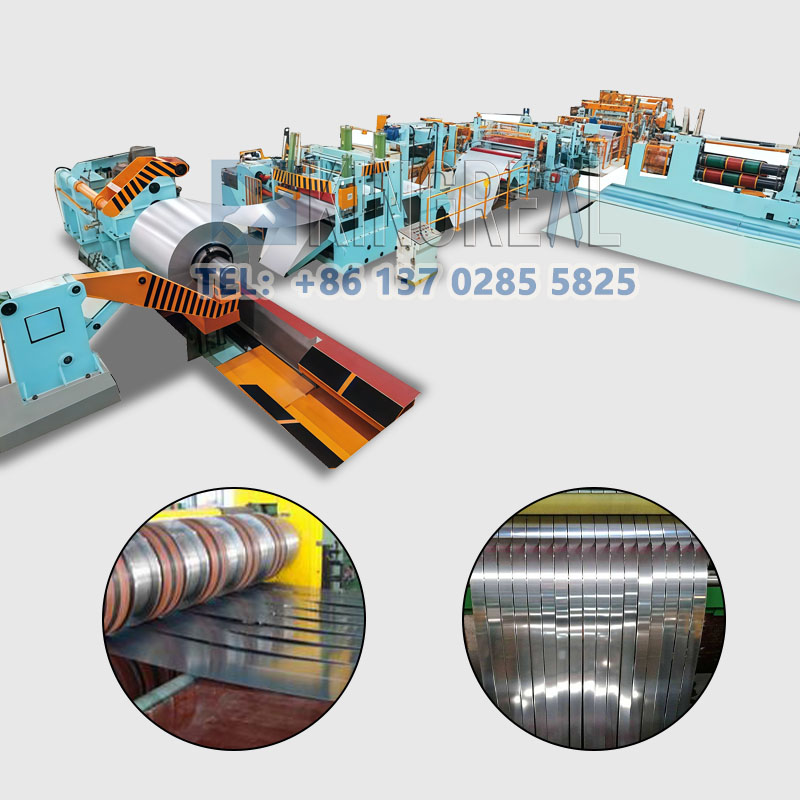
To learn more about the differences between single slitter head and dual slitter slitting lines, please contact KINGREAL SLITTING directly for further information.