In the modern metal processing supply chain, Steel Service Centers play a pivotal role in connecting upstream steel mills with downstream manufacturing enterprises. To meet the demand from industries such as automotive, construction, home appliances, and heavy machinery for high-precision metal sheets, Steel Service Centers must possess efficient primary processing capabilities.
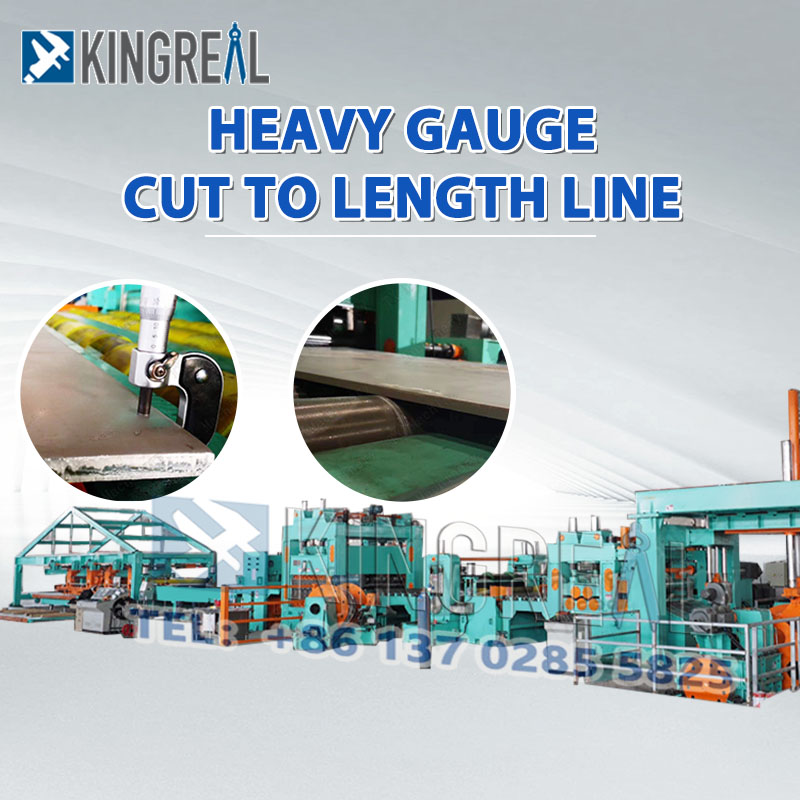
Steel Service Centers utilize hr cut to length lines to automatically transform bulky hot-rolled coils into flat steel sheets cut to specific dimensions.
This process represents far more than a simple physical transformation; it is a critical step in enhancing product value-add, optimizing capital turnover, and ensuring the quality of downstream processing.
The following section analyzes the decisive impact that hot rolled cut to length lines have on the success or failure of Steel Service Centers.
1. HR Cut To Length Lines: Cornerstone of Steel Service Centers Processing
The raw materials Steel Service Centers procure from steel mills typically consist of large hot-rolled coils weighing between 20 and 30 tons each. However, end-users require individual steel sheets with specific lengths, widths, and thicknesses.
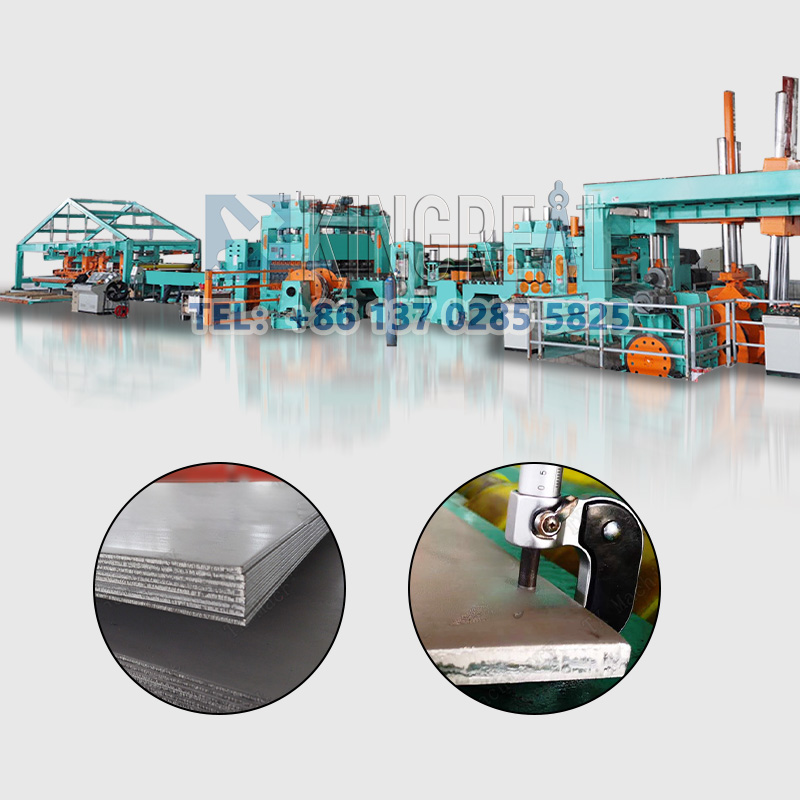
Without a hot rolled cut to length line, Steel Service Centers holds only semi-finished goods that cannot be sold directly. These hot rolled cut to length lines integrate functions such as uncoiling, feeding, rough leveling, precision leveling, shearing, and automatic stacking.
Only after processing into finished sheets via the hr cut to length line does the service center possess the foundation to enter the sales market.
2. Capturing Processing Value-Add: A Core Source of Profit
An Steel Service Centers' profit structure consists primarily of two components: the trading margin from buying and selling steel, and the value-add generated through processing.
By operating a hot rolled cut to length line, Steel Service Centers can realize the following value-added benefits:
-Service Fee Revenue: In addition to selling their own sheet products, Steel Service Centers can undertake toll processing for external clients. Clients supply the coils, and the Steel Service Centers uses hr cut to length line to provide professional leveling and cutting services, charging a processing fee per ton.
-Expanded Business Scope: Centers with processing capabilities can serve a wider range of precision manufacturing industries that have specific dimensional requirements, thereby significantly broadening their market reach.
3. Meeting Diverse Downstream Cut-to-Length Orders: Enhancing Order Flexibility
Orders for steel sheets from downstream customers are often characterized by varied specifications, small batch sizes, and short delivery lead times.
Requirements for steel plate lengths vary drastically across projects; some applications require short, 2-meter plates for stamping, while others demand long, 12-meter plates for shipbuilding or bridge construction.
Hot rolled cut to length lineoffers steel service centers significant competitive advantages:
-Eliminating reliance on outsourcing: Without an in-house hr cut to length line, centers must transport coils to third-party processing plants. This leaves delivery schedules at the mercy of others; during peak seasons, queues at external facilities can lead to lost orders.
Furthermore, the logistics of transporting materials back and forth not only increases costs but also raises the risk of surface damage or dents.
-Rapid market response: An in-house hot rolled cut to length line allows for the immediate adjustment of cutting parameters. Operators simply input a new cutting length into the PLC system to switch production specifications within minutes.
This high level of flexibility enables service centers to handle urgent orders and strengthens customer loyalty.
-Supporting customization: The ability to precisely supply non-standard dimensions reduces edge-trimming waste for downstream customers during subsequent processing, thereby creating added value.
4. Controllable Plate Quality: Engineering Significance of Leveling and Internal Stress Relief
Hot-rolled coils accumulate significant internal stress during production and coiling. If cut directly, the resulting steel plates are prone to defects such as crossbow, camber, or longitudinal waves. These issues are detrimental to subsequent precision processing operations like laser cutting, welding, and automated bending.
The core component of a hr cut to length line is the heavy-duty leveler. A high-quality leveling process does more than just flatten the plate; it utilizes the principle of alternating deformation across multiple rollers to achieve results:
Eliminating internal stress: By subjecting the material to repeated, alternating bending via leveling rollers, the lengths of the metal fibers are homogenized, effectively releasing residual internal stress.
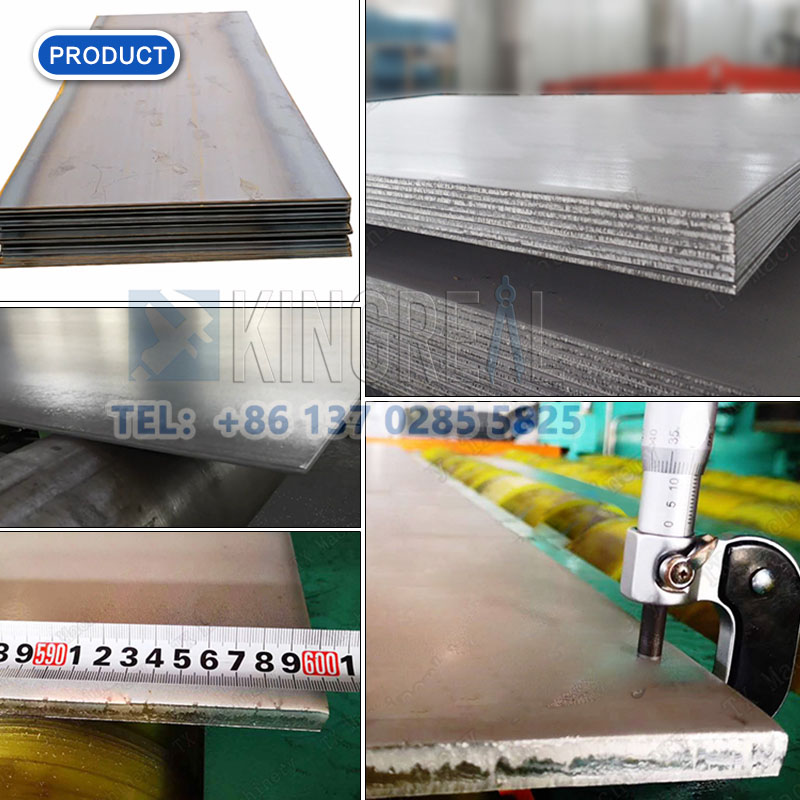
Enhancing processing performance: Precisely leveled steel plates prevent sudden "spring-back" caused by stress release during laser cutting—which could otherwise damage the cutting head—and ensure superior seam alignment during welding, thereby significantly boosting productivity for downstream manufacturers. Capability for Handling Thick Plates: Hot-rolled plates typically feature significant thickness (ranging from 3mm to over 25mm).
KINGREAL SLITTING hot rolled cut to length lines are equipped with high-rigidity frames and high-power drive systems, ensuring exceptional flatness tolerances even when processing high-yield-strength steel.
5. Optimized Inventory Strategy: Reducing Capital Tie-up and Risk
By utilizing a hr cut to length line, steel service centers can adopt a more strategic inventory approach—substituting sheets with coils. Centers need only stock a limited range of standard hot-rolled coil specifications.
Production begins immediately upon receiving customer orders for specific dimensions.
This model significantly reduces the backlog of finished sheet inventory, improves warehouse space utilization, and drastically lowers the interest costs associated with tied-up capital.
6. Technical Specifications and Precision Control
For steel service centers, the processing precision of the hot rolled cut to length line directly determines their industry reputation.
1
Length Tolerance
Advanced hr cut to length lines utilize servo-driven feeding systems or closed-loop encoder controls to maintain cutting length tolerances within ±0.5mm or even tighter.
2
Diagonal Tolerance
Precision side-guiding and feed-path correction ensure sheet squareness, thereby simplifying downstream assembly and fit-up processes.
3
Automation Level
Modern production lines integrate automatic stacking systems that neatly arrange cut sheets for immediate packaging and shipment, substantially reducing labor costs.
To learn more about the application of hot rolled cut to length lines in steel service centers and to obtain detailed technical solutions, please contact KINGREAL SLITTING directly.
We provide comprehensive industrial solutions—spanning heavy-duty uncoiling, precision leveling, and high-efficiency cutting—to help your service center achieve superior production efficiency.