In the modern metal processing industry, stainless steel slitting machines are used to cut wide metal coils lengthwise into narrower strips of specific widths, which then serve as feedstock for downstream processes such as stamping, welded pipe manufacturing, or cold-roll forming.
As the core components responsible for precision slitting, slitter blades—along with their usage protocols, precision adjustments, and material selection—directly determine the edge quality and width tolerance of the finished product, as well as the service life of the blades themselves.
This article provides an in-depth analysis of the fundamental mechanics and operational standards involved in using slitter blades to cut steel, viewed from a professional technical perspective.
Core Principles of Precision Slitting with Slitter Blades
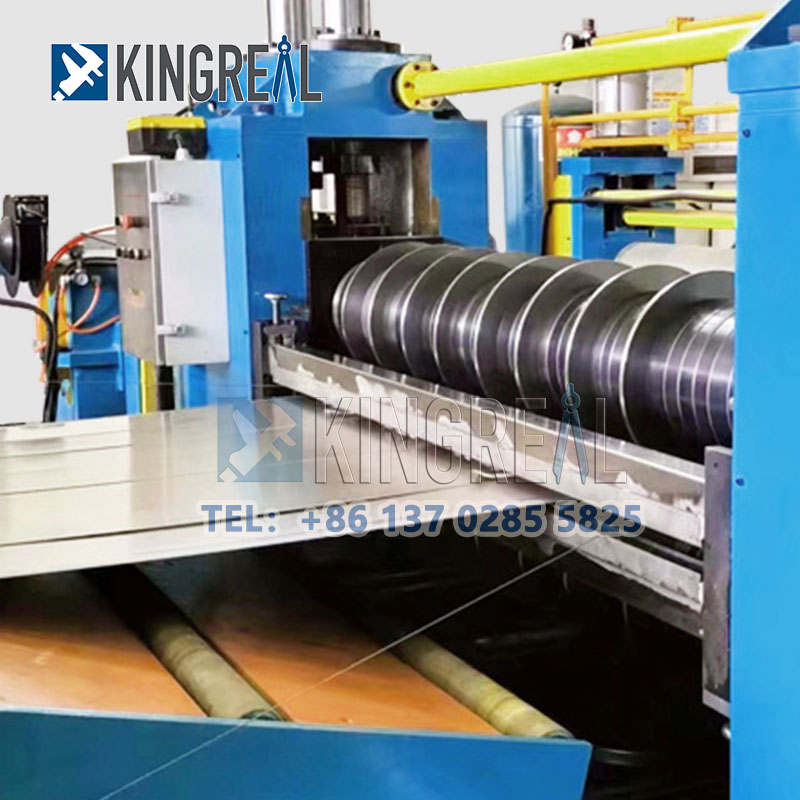
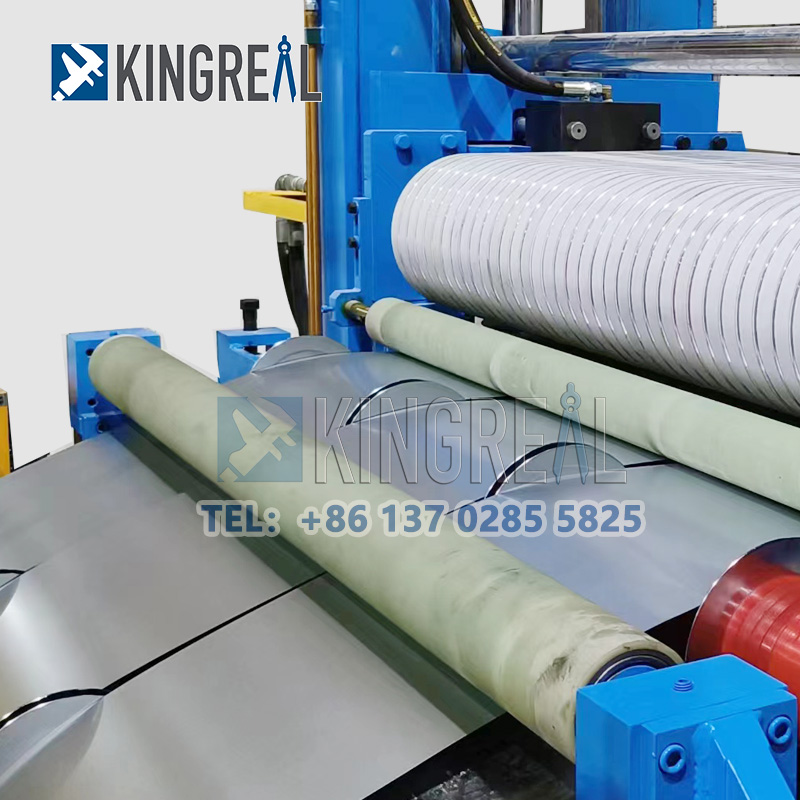
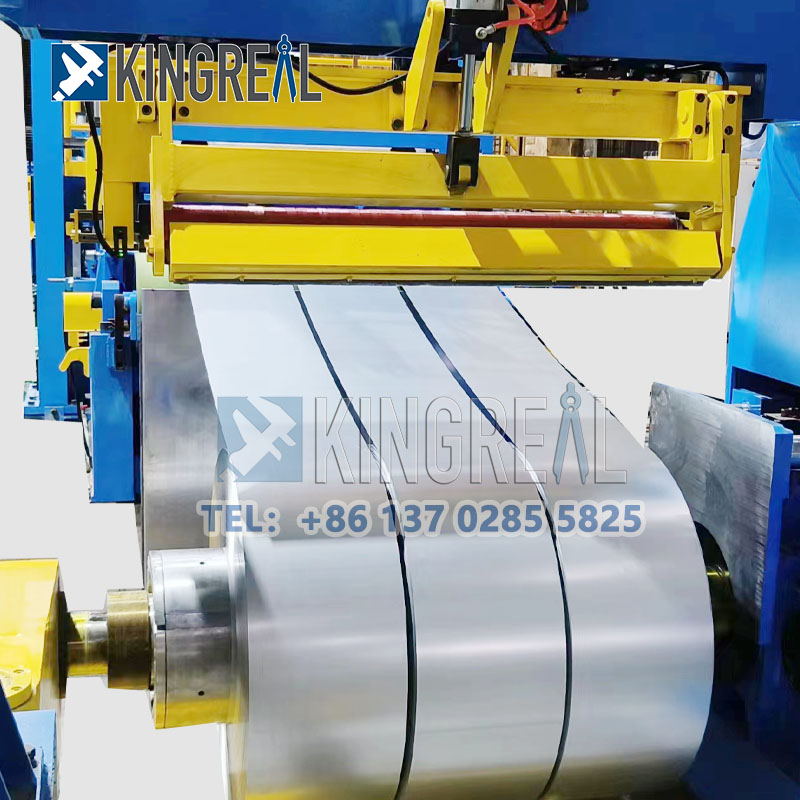
Stainless steel slitting lines cut material through the precise interaction of blades and arbors, achieving accurate, deviation-free cuts via the combined effects of pressure and speed.
1
Precise Positioning
●Coaxiality: The blades must be perfectly coaxial with the arbor; any minute run-out will result in wavy edges on the slit strips.
●Parallelism: The upper and lower arbors must remain absolutely parallel. A lack of parallelism generates lateral squeezing forces during the blade engagement process, which not only increases burr formation but can also cause blade chipping.
By using high-precision spacers and shims, operators can accurately align the blade edges with the material's stainless steel slitting machine, ensuring that width deviations in the finished strips are kept within extremely tight tolerances.
2
Uniform Force Application
●Edge Suitability: Blade sharpness determines the resistance encountered the moment the blade penetrates the metal. Given that stainless steel is tough and prone to work-hardening, the blade edge must maintain exceptional hardness and sharpness to minimize material tearing.
●Pressure Regulation: Adjusting the arbor's penetration depth ensures the blade cuts through approximately one-third of the material's thickness, allowing the remaining portion to fracture naturally due to internal shear stress.
Excessive pressure causes edge indentations and curling, while insufficient pressure leads to incomplete cuts or the formation of large burrs.
3
Precise Matching of Blades to Slitting Materials
●High-hardness metals (e.g., stainless steel, titanium alloys): Typically require carbide blades with high tungsten content or SKD-11 high-grade alloy steel.
The cutting edge angle requires specialized grinding to balance wear resistance and impact resistance.
●Soft materials (e.g., aluminum, copper): Demand extremely high blade surface smoothness to prevent material adhesion, which could cause scratching.
Improper matching leads to rapid blade dulling or even blade annealing caused by frictional heat during high-speed operation.
Operational Guidelines for Stainless Steel Slitting Line Blades
To ensure the long-term, stable operation of stainless steel slitting machines, the workflow must strictly adhere to three phases: pre-slitting preparation, standardized operation, and post-operation maintenance.
(I) Pre-slitting Preparation
●Blade Inspection:
-Visual inspection: Use a magnifying glass to check the cutting edge for minute chips or burrs.
-Precision verification: Confirm the blade is securely installed with no looseness.
-Selection confirmation: Verify the blade model. Blade thickness and clearance settings differ significantly when cutting thin sheets (0.5mm) versus thick plates (3.0mm).
●Equipment Commissioning and Parameter Setting:
-Lateral clearance adjustment: Clearance is typically set at 8%–12% of the material thickness. For stainless steel, clearance requires greater precision to avoid the formation of burrs or turned edges.
-Speed and pressure matching: Set the initial slitting speed based on the steel grade's tensile strength. Avoid accelerating directly to maximum speed during a cold start.
●Raw Material Pre-treatment:
Remove oil, scale, or dust from the surface of the steel coil. Impurities trapped between high-speed blades act as abrasives, accelerating edge wear.
(II) Standardized Operation
●Startup and Idling Test:
All safety guards must be closed before starting the stainless steel slitting machine.
Run the stainless steel slitting line at idle for 2–3 minutes and listen for unusual noises. Abnormal metal-on-metal sounds often indicate excessive blade clearance or bearing damage.
●Slitting Process Monitoring:
-Stable Feeding: Ensure the steel strip enters the cutting zone vertically via the guiding device, without skewing.
-Constant Speed Conveying: Sudden stops and starts are detrimental to the slitter. Drastic speed fluctuations alter the material's shearing dynamics, leading to width deviations.
-Sampling and Inspection: During the first few meters of slitting, stop the stainless steel slitting machine or operate at low speed to take samples and inspect the ratio of the sheared edge surface.
●Handling Abnormalities and Emergencies:
If a persistent increase in burr size is observed on the finished product, stop the stainless steel slitting machine immediately to check for chipped blades.
Prohibition of Unsafe Practices: Touching the cutting edge or attempting to clear scrap edge coils by hand while the machine is running is strictly prohibited.
(III) Post-Operation Maintenance
●Professional Blade Maintenance:
-Cleaning and Demagnetization: After removal, blades must be cleaned with a specialized agent to remove residual metal dust. Since magnetism can develop during slitting, demagnetization is necessary to prevent the attraction of iron filings.
-Resharpening Management: Maintain a blade resharpening log. Mandatory preventive resharpening must be performed when the cumulative slitting tonnage reaches a critical threshold.
-Rust-Proofing and Storage: Apply high-quality anti-rust oil and store blades in a dry, vibration-free, dedicated tool room, ensuring no metal-to-metal contact.
●System-Level Cleaning:
Clear away residual spacer fragments from the cutter shafts.
Apply lubricating grease to transmission gears and cutter shaft bearing housings to ensure smooth mechanical operation.
●Data Archiving and Optimization:
Record data such as material type, operating speed, and blade clearance. For stainless steel slitting lines, this data helps optimize future production efficiency and reduce defect rates.
Why Are Technical Details So Important?
In the stainless steel processing industry, customer requirements for surface quality and edge precision are extremely stringent. Improper blade adjustment on the stainless steel slitting machine can trigger a chain reaction of issues:
●Excessive Burrs: Leads to uneven stacking in subsequent processes and poses a risk of injury (scratches) to operators.
●Edge Cracks: For materials requiring further stretching, even minute edge cracks can cause the material to split completely during forming.
●Camber: Due to uneven forces acting on the blades, the narrow strip curves like a sickle, preventing it from entering the automatic stamping line.
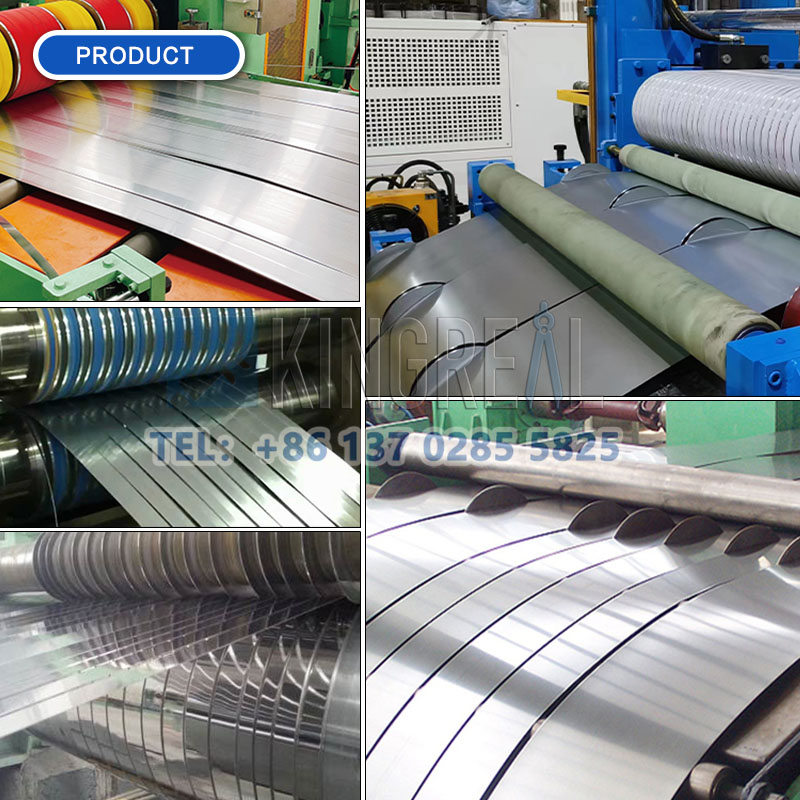
Only by mastering the fundamental physics of blade cutting—combined with rigorous operational standards—can the true potential of a high-performance stainless steel slitting line be realized.
As an experienced supplier of stainless steel slitting machines, KINGREAL SLITTING offers not only high-precision stainless steel slitting lines but is also dedicated to providing comprehensive process solutions.
From blade material selection to complex tooling configuration calculations, KINGREAL SLITTING team of experts provides professional support.
If you encounter issues such as reduced slitting precision, excessive blade wear, or substandard edge quality during production, please contact KINGREAL SLITTING directly.
Leveraging our extensive industry experience, we will help your production line achieve a significant leap forward in efficiency and waste reduction.