In the metal processing industry, steel coil slitting lines have long been core equipment for coil handling. However, as global manufacturing shifts toward precision and high-end production, market demands have evolved; the requirement is no longer merely to cut, but to cut with precision.
Many factory owners face a tough choice: should you stick with a standard steel coil slitting line or step up to a high precision slitting line? Choosing the wrong one can mean either a wasted budget or missed quality targets for your clients. This guide cuts through the technical jargon to compare their design and real-world performance, helping you find the most profitable investment for your shop.
What is a Standard Steel Coil Slitting Line?
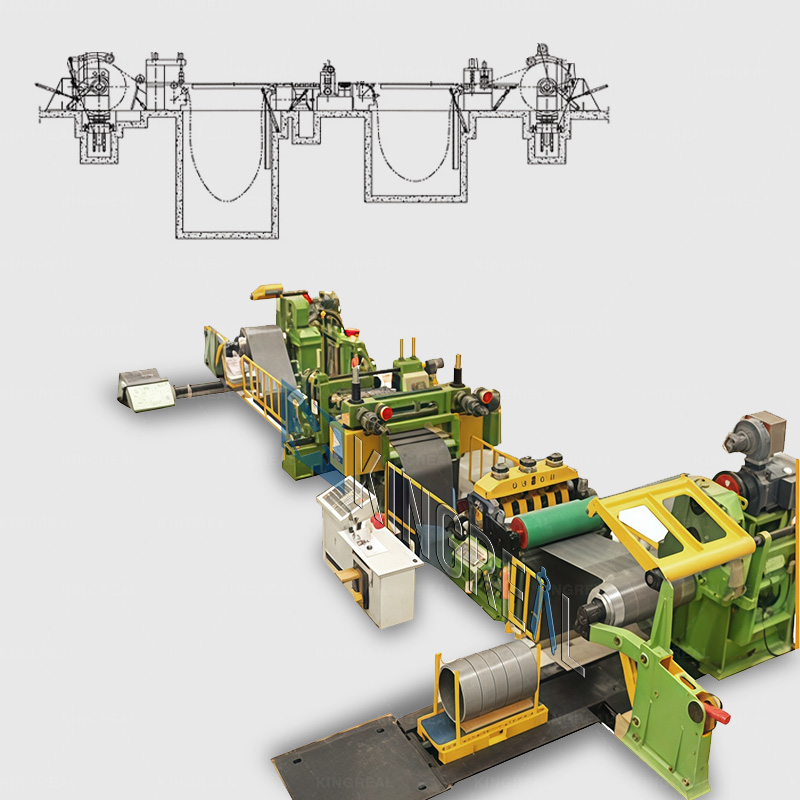
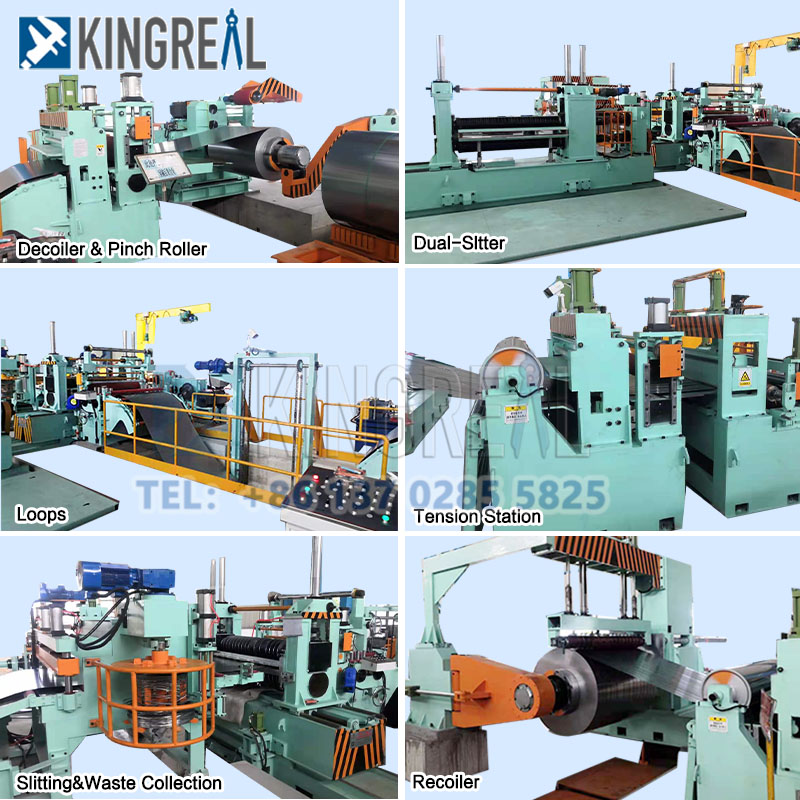
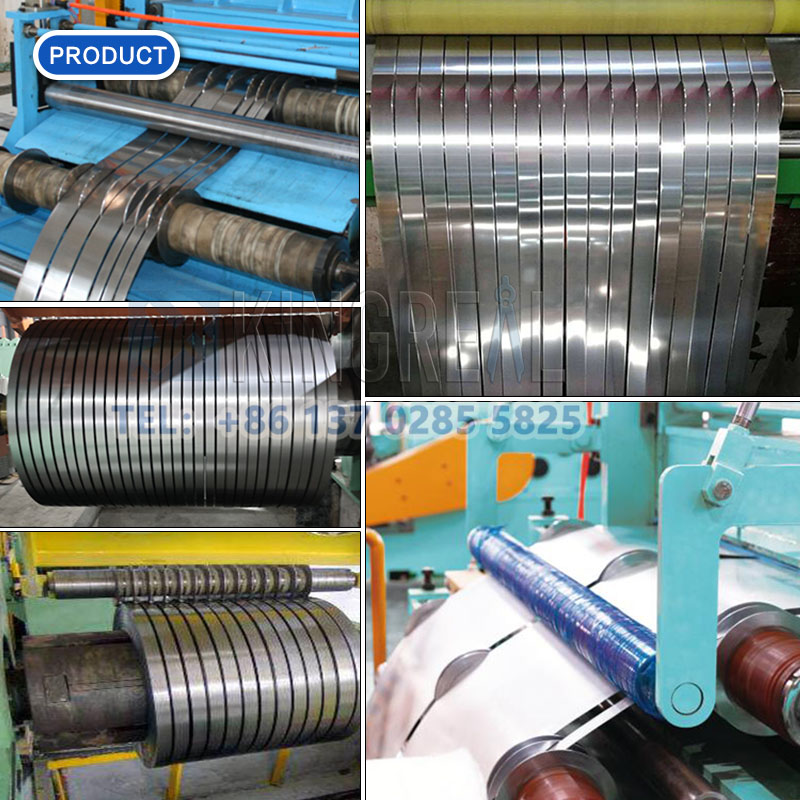
Think of the standard steel coil slitting line as the industry’s 'workhorse.' It is the go-to system for processing metal strips where standard industrial tolerances are perfectly acceptable. Instead of chasing micro-precision, it focuses on high-volume output and keeping your operating costs low. A typical setup includes all the essentials: a decoiler, the main slitter head, a tensioning unit, and a recoiler.
Performance Characteristics:
-Broad Applicability: Compatible with cold-rolled and hot-rolled steel coils of various thicknesses, meeting material needs for sectors such as general construction and home appliance casings.
-Mass Production: Emphasizes stable, continuous operating speeds; the preferred choice for factories prioritizing high tonnage output.
-Cost-Effectiveness: Lower initial investment and relatively simple maintenance; suitable for applications where dimensional control requirements are not overly stringent.
What is a High Precision Slitting Line?
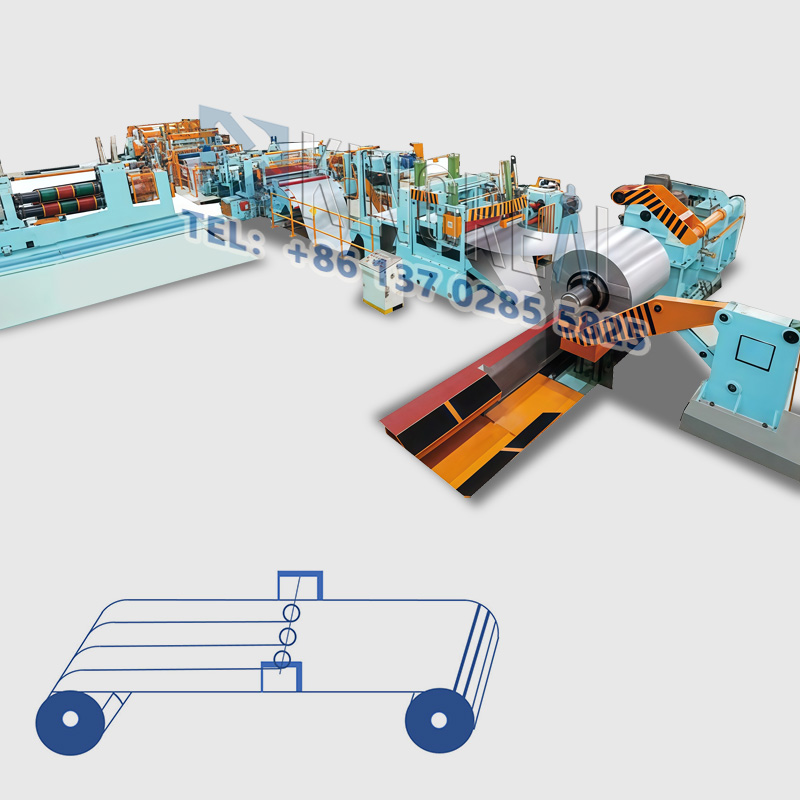
As the name implies, a high precision slitting line is a comprehensively upgraded slitting solution capable of extreme tolerance control. It is specifically designed for industries demanding exceptional precision in narrow metal strips, such as high-end electronics, precision transformers, and battery foil for new energy vehicles.
Performance Characteristics:
-Compared to standard models, high precision slitting lines feature systematic structural enhancements:
-Strict Tolerance Control: Capable of achieving width tolerances at the micron level.
-Enhanced Rigid Structure: Heavier, more stable machine frames effectively eliminate minute vibrations during the slitting process.
-High-Grade Tooling: Utilizes high-hardness alloy or tungsten steel cutters combined with precision measurement units to ensure mirror-smooth cut edges. Superior Finished Product Quality: Extremely low burr height and excellent edge flatness, meeting the requirements for subsequent automated assembly.
How is High Precision Slitting Achieved?
1. Belt Tension Station
Standard steel coil slitting lines often use felt tension stations, which can easily cause scratches when handling highly sensitive materials (such as mirror-finish stainless steel or coated sheets).
High precision slitting lines are equipped with belt tension stations; synchronous belts provide uniform gripping force, ensuring neat winding while achieving "zero scratches" on the sheet surface.
2. Heavy-duty, Thick-walled Cutter Arbors and Micrometer-level Clearance Control
Minute deformation of the cutter arbor is a primary cause of burrs. High precision slitting lines utilize reinforced, heavy-duty, thick-walled arbors paired with a micrometer-level cutter clearance adjustment system. This "absolute rigidity" ensures that every cut is executed with precision.
3. Full-Servo Closed-loop Control System
High precision slitting lines are driven by high-performance servo motors, enabling closed-loop control of speed and tension. Even at high operating speeds of up to 230 m/min, the system monitors and fine-tunes operations in real-time, ensuring that narrow strips do not drift and tension remains consistent during winding.
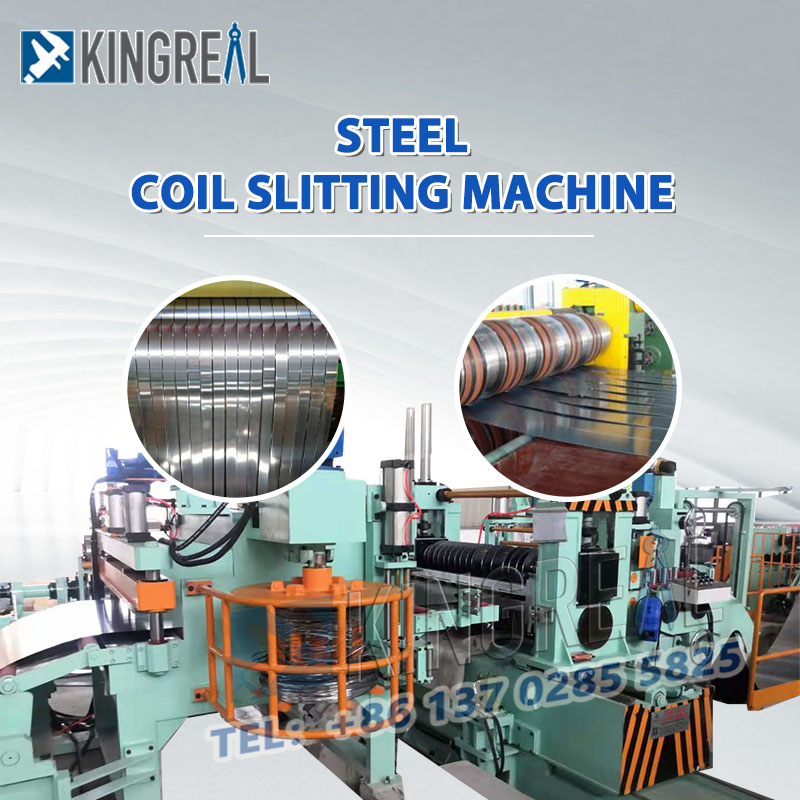
How to Choose a Steel Coil Slitting Line?
When purchasing steel coil slitting line, the most expensive option is not necessarily the most suitable one. KINGREAL SLITTING recommends evaluating your needs based on the following logic:
1
Consider Downstream Products
If your customers are manufacturers of automotive parts or precision electronic components, a high precision slitting line serves as your "entry ticket" into their supply chain.
2
Consider Material Value
When processing expensive materials such as copper foil, aluminum foil, or high-grade stainless steel, high precision slitting lines can significantly reduce scrap waste and defect rates.
3
Consider Production Requirements
If you are engaged in the wholesale of general construction steel, a standard steel coil slitting line is sufficient to provide an excellent return on investment; there is no need to pursue excessive performance specifications.
If you remain unsure, please share your specific production requirements (material type, thickness range, tolerance specifications, etc.) with KINGREAL SLITTING. Our engineering team will tailor a solution that best meets your budget and production capacity needs.
The First Step Toward Highly Efficient Production
At the end of the day, picking between a high precision slitting line and a standard model comes down to your specific production goals. Don’t overpay for precision you don't need, but don't risk your reputation if your customers demand perfection. As a specialist in steel coil slitting line technology, KINGREAL SLITTING helps you bridge that gap with custom-engineered solutions that fit your exact workflow and budget.
Would you like to learn more about technical specifications or receive the latest quote?
Please feel free to contact the KINGREAL SLITTING expert team. We look forward to discussing how technology upgrades can create greater value for your facility!