In the field of industrial manufacturing, the precise processing of metal coils is fundamental to ensuring the quality of subsequent production.
As a core piece of equipment in the metal processing industry, the manufacturing precision and operational stability of a metal coil slitting line directly determine the dimensional tolerances of the finished products and overall production efficiency.
To ensure that every unit delivered to a customer meets design standards and to mitigate risks during overseas commissioning, KINGREAL SLITTING strictly conducts Factory Acceptance Testing (FAT).
Because metal slitting machines typically require a deep loop pit (often several meters deep) in a production environment to manage material tension—a feature that may not be feasible to construct at a customer's facility—the FAT focuses on the metal coil slitting line's static precision, electrical logic, the functional operation of individual components (without material), and compliance checks prior to shipment.
Below is the comprehensive FAT checklist developed by KINGREAL SLITTING for metal slitting machines, covering the entire process from initial inspection to crating and shipment.
Phase 1: Static Inspection
The static inspection is designed to verify that the physical attributes and electrical configuration of the metal coil slitting line fully comply with technical agreements and safety standards.
1. Appearance and Structural Integrity
The acceptance team begins by evaluating the overall appearance of the metal slitting machine. Key inspection points include:
-Frame Welding and Coating: Welds are inspected to ensure they are smooth and free from defects such as incomplete fusion or porosity. The paint finish must be uniform, with no runs, drips, or scratches.
-Equipment Labeling: It is verified that all motors, hydraulic stations, and hazardous areas are marked with clear warning signs. Additionally, the metal coil slitting line must bear a nameplate that complies with CE or ISO standards.
2. Hydraulic and Lubrication Systems
-Piping Verification: Hydraulic lines are checked for neat routing and to ensure there are no potential leak points at the connections.
-Lubrication: It is verified that components such as gearboxes and bearing housings have been filled with the specified type and quantity of lubricant.
3. Electrical Hardware and Safety Standards
KINGREAL SLITTING metal slitting machines utilize components from top-tier international brands.
-Verification: Cross-reference the model numbers of all components—such as Siemens or Delta PLCs, variable frequency drives (VFDs), and motors—housed within the electrical control cabinet against the contract specifications.
-Wiring Standards: Ensure all cables are clearly and neatly labeled; verify that grounding/earthing is reliable; and confirm that the electrical control cabinet’s ingress protection (IP) rating meets the requirements for an industrial environment.
-LOTO Safety Protocols: Implement Lockout-Tagout (LOTO) procedures and test the responsiveness of all emergency stop buttons.
4. Mechanical Precision Inspection
This is a critical step for ensuring the slitting precision of the metal coil slitting line:
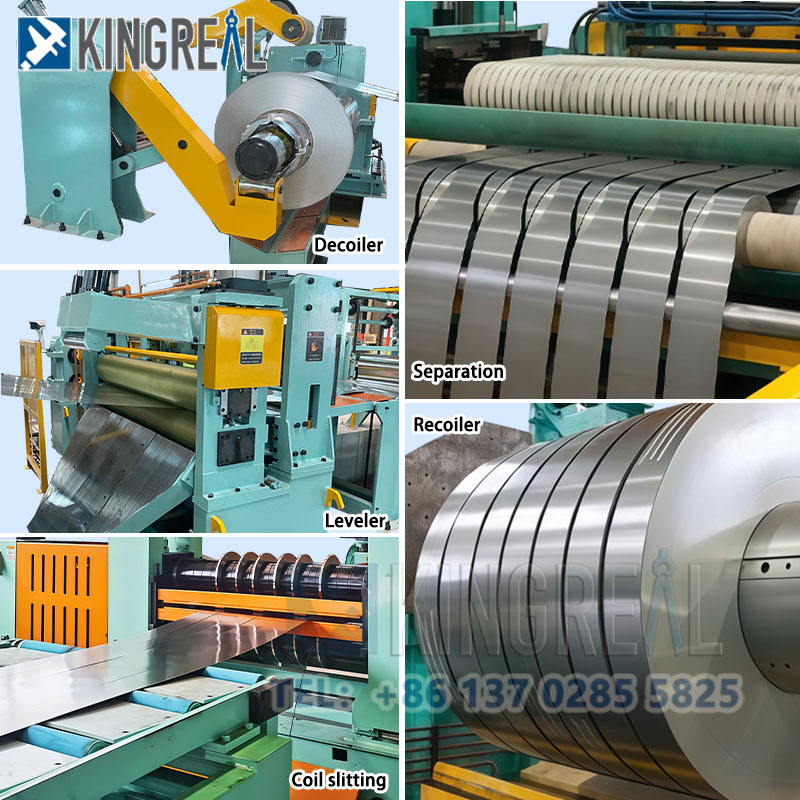
-Installation Accuracy: Measure the levelness and coaxial alignment of the frames for the decoiler, slitter, tension station, and recoiler.
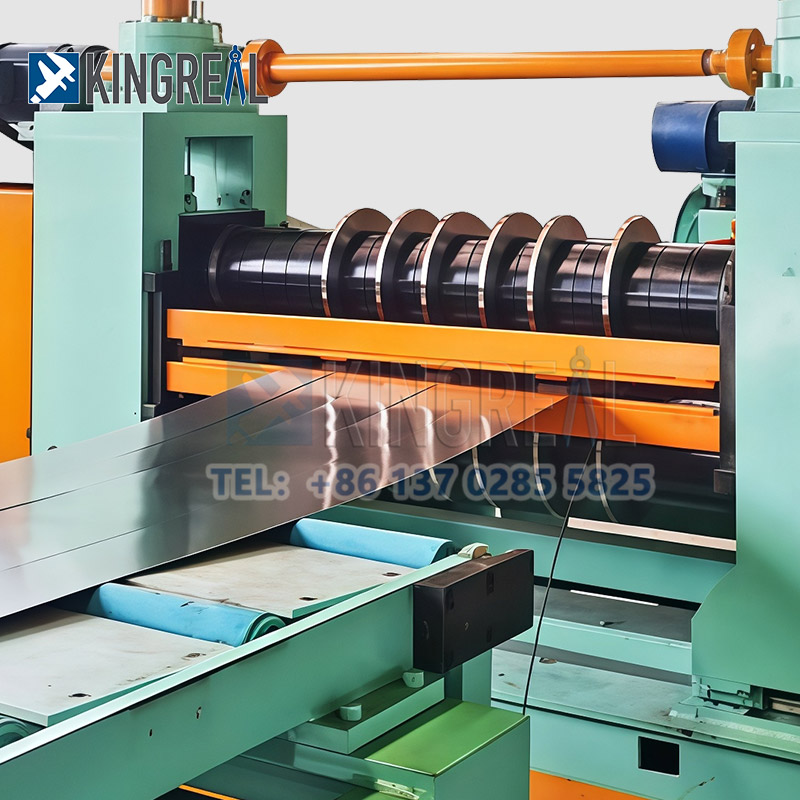
-Slitting Shaft Calibration: Check the clearances between slitting shafts, runout tolerances, and the installation precision of the blades. Guide rollers and pressure rollers must be kept strictly parallel.
-Fastener Inspection: Confirm that all high-strength fasteners are securely tightened, with no signs of loosening.
-Tooling and Accessories: Verify that the full set of provided tooling—including blade arbors, spacers, and rubber shims—is complete and matches the specifications defined in the order.
Phase 2: Individual Component No-load Trial
Once static inspections are successfully completed, the process moves to a phased start-up stage. As it is not feasible to perform a trial run with actual material at the factory (due to limitations such as the absence of a floor pit), no-load testing of individual components is of vital importance.
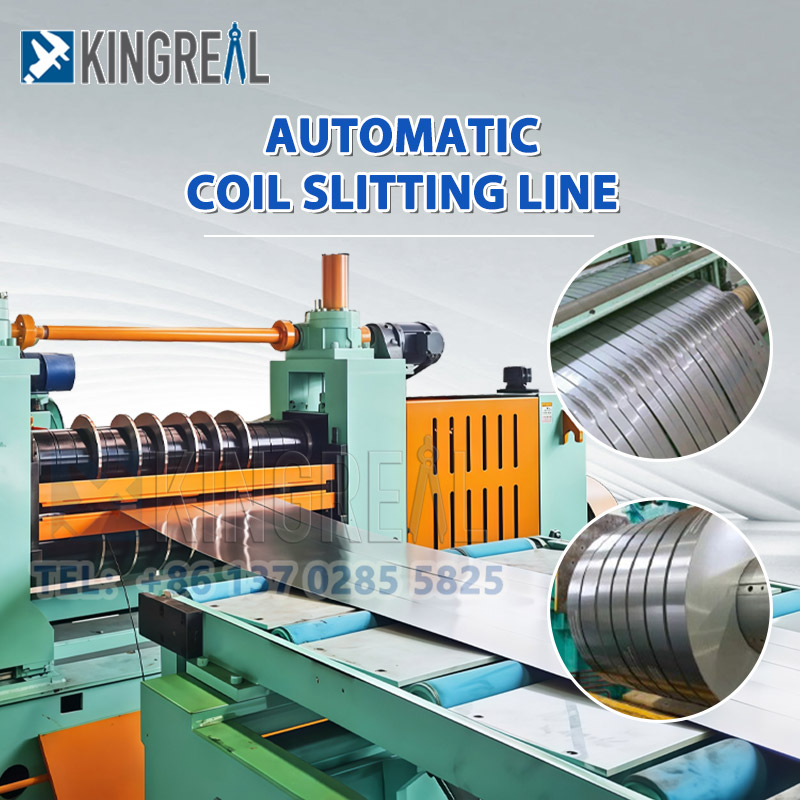
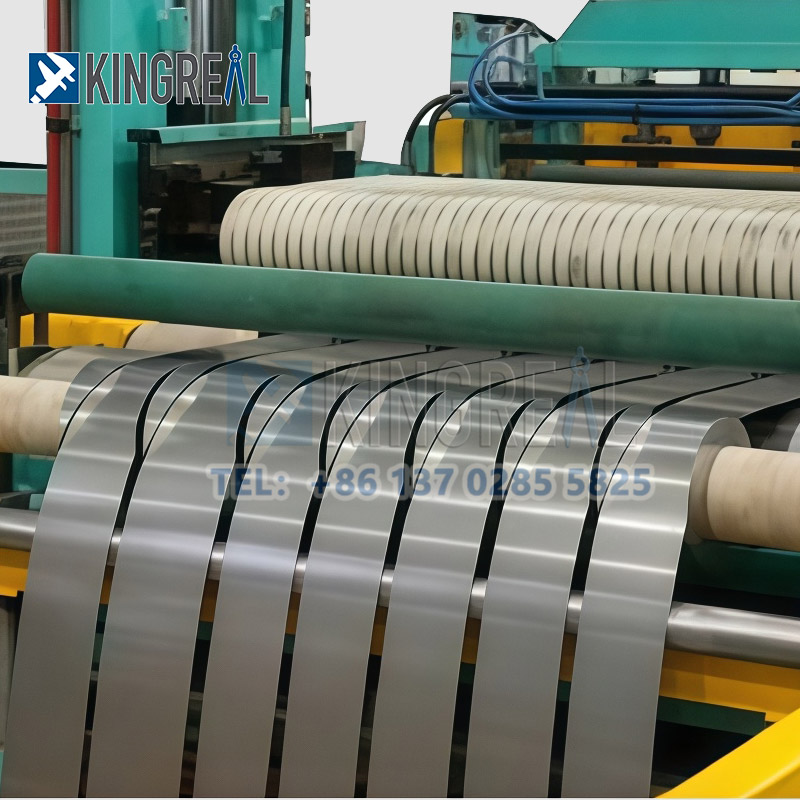
-Slitting Unit Test: Activate the slitting mechanism and observe the stability of the slitting shafts at various rotational speeds, checking for any abnormal vibration or overheating.
-Uncoiling and Recoiling Functions: Test the expansion/retraction range of the hydraulic expansion mandrels, the operation of the hold-down arms, and the logic for automatic coil diameter detection.
-Tension Station Operation: Simulate the lifting and pressure adjustment of the tensioning components, ensuring that all pneumatic or hydraulic actuators operate in synchronization.
-PLC Logic Verification: Operate the various functions of the metal coil slitting line via the HMI to verify that manual/automatic switching modes, alarm logic, and interlock protection systems are functioning correctly.
Phase 3: Technical Documentation and Spare Parts Verification
-Documentation Review: Ensure that operation manuals are comprehensive, covering installation guidelines, maintenance recommendations, and troubleshooting procedures.
-Program Backup: Provide backups of PLC source code and lists of VFD parameters to facilitate future maintenance or upgrades by the client.
-Factory Acceptance Test Reports: Supply FAT reports for each piece of metal slitting machine, including raw data from precision measurements and test conclusions for individual components.
-Remote Acceptance Protocol: For clients unable to visit the site due to international travel restrictions, KINGREAL SLITTING utilizes high-definition video equipment to conduct real-time, cloud-based video conferences, allowing clients to observe the entire acceptance process for the metal coil slitting line.
Phase 4: Packaging and Logistics Protection
-Anti-Rust Treatment: Apply high-concentration anti-rust oil to critical, unpainted metal surfaces—such as the metal slitting machine’s cutter shafts and guide rollers.
-Electrical Protection: PLC units and precision electrical components are secured using specially designed waterproof packaging and desiccants.
-Four-Tier Protection System: To withstand the rigors of ocean freight, KINGREAL SLITTING implements a rigorous four-tier protection strategy: an inner moisture-proof film, bubble-cushioning layers, vacuum packaging (for specific electrical components), and secure crating or palletizing. This ensures the metal coil slitting line arrives in its original factory condition after transoceanic transport.
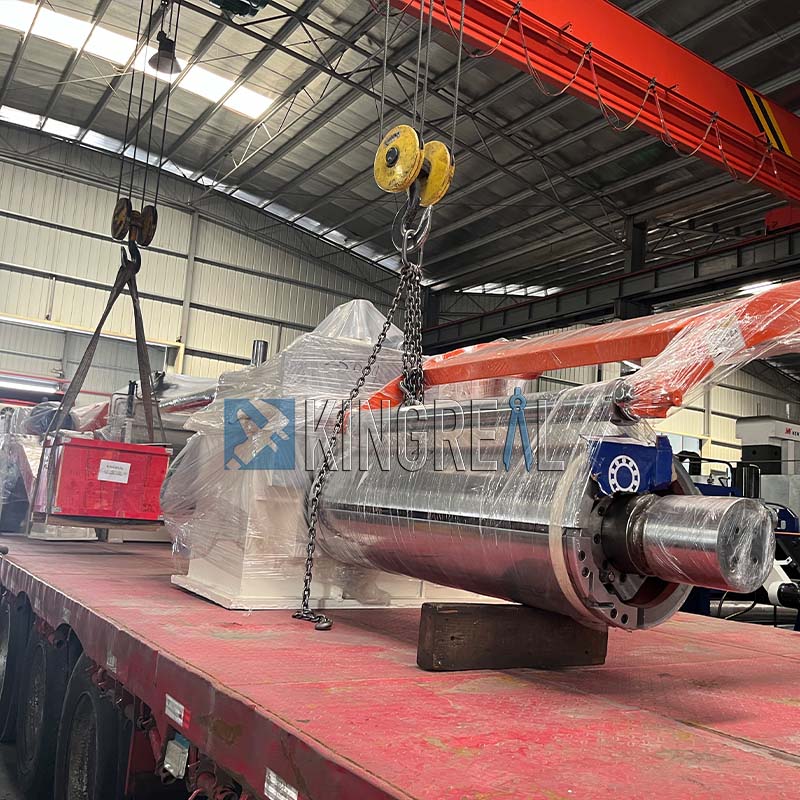
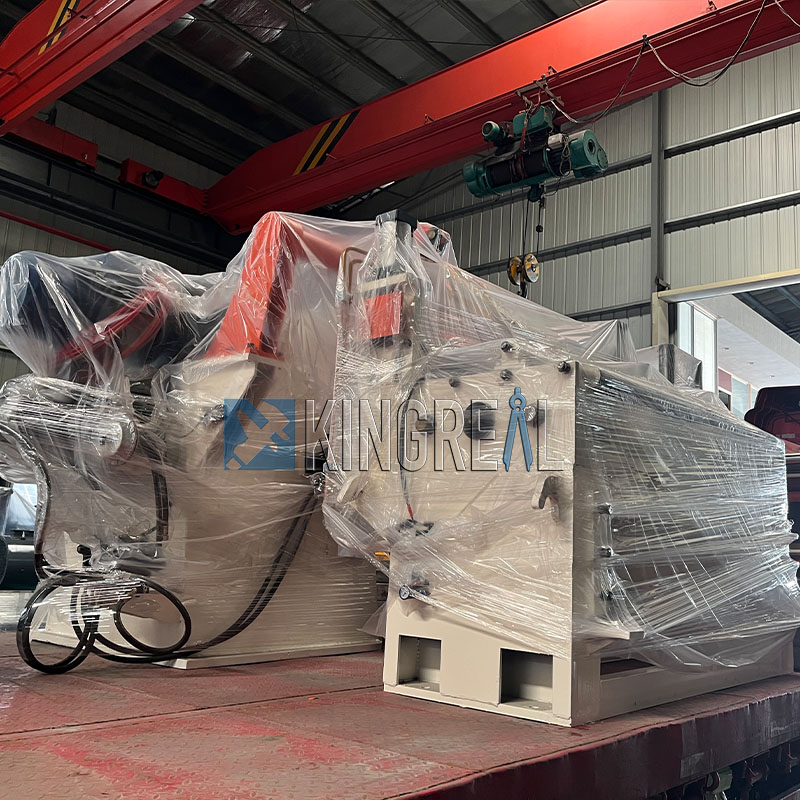
The successful delivery of every metal coil slitting line relies on a meticulous FAT process.
To date, KINGREAL SLITTING metal slitting machines have been successfully delivered to countries and regions including Saudi Arabia, Italy, Mexico, Brazil, Indonesia, Turkmenistan, and India, earning the trust of clients worldwide.
If you are seeking a high-performance, highly reliable metal coil slitting line, or would like to learn more about the technical details of our factory acceptance testing, please contact KINGREAL SLITTING directly!
KINGREAL SLITTING is ready to provide you with the most professional metal slitting machine solutions.